ERRS 2025 Programme
Advancing Radiation Research in the Heart of Europe
Welcome to the programme page of the ERRS 2025 Meeting, taking place from 2 to 4 September in Brussels.
This year’s meeting will feature an exciting mix of keynote lectures, invited talks, abstract-driven presentations, and dedicated sessions for early-career researchers. Topics will cover a broad range of themes across radiation biology, radiotherapy, space radiation, radiopharmaceuticals, low-dose effects, and more.
The detailed programme is now online!
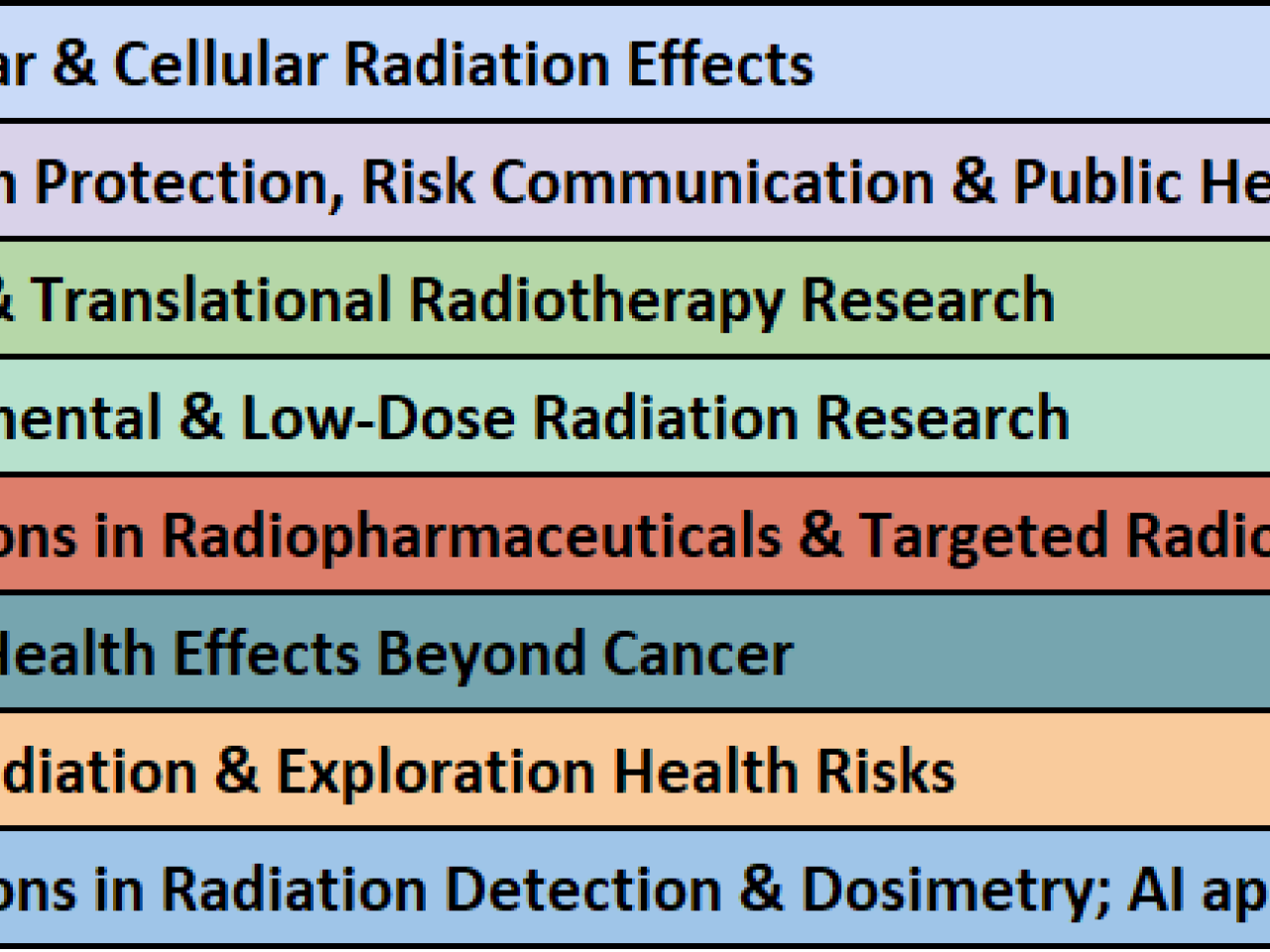
Session Titles
IT - Invited Talk
Preliminary Programme
-
Tuesday, 2nd September
Time Plenary Room Parallel Room Foyer / Patio 08:00 Registration 08:15 08:30 08:45 Opening Ceremony
Address from the ERRS president – Siamak Haghdoost
ERRS History & SCK CEN Endorsement of ERRS 2025 – Sarah Baatout
The Next Generation of Radiation Researchers – Silvana Miranda
Overview of Joint Research Centre’s (JRC) activities in radiation research – Ulla Engelmann
Milestones in the History of Nuclear Medicine – Frank Deconinck09:00 09:15 Chair - Sarah Baatout & Anthony Waked Chair - Siamak Haghdoost & Olivia Drayson 09:30 S5 - IT Irina Primak - The radiotheranostics revolution in oncology S7 - IT Alain Carapelle - Radiation effects on electronics in space: mechanisms and ground testing 09:45 10:00 S5 - IT Pieter Van der Veken - Druglike, radiotheranostic FAPIs with optimized residence times: from design to preclinical evaluation in oncology models S7 - IT André Füzfa - Radiative Space Propulsion : Beyond Chemical Rockets 10:15 10:30 S5 Abstract 21 - Non-Tumour-Specific PSMA-Targeted Radionuclide Therapy Enhances Immune Checkpoint Inhibition in a Syngeneic Oral Cancer Model - Jens Debacker S7 - IT Patrice Mégret - Optical fibers in radiative environment: behavior and applications 10:45 S5 Abstract 13 - Radiobiological effects of different radionuclides in prostate cancer cell lines in vitro - Megha Chandrashekhar 11:00 S7 Abstract 7 - A water-based radiation protection vest for space flight - Sylvain Blunier 11:15 Coffee break / Poster viewing Session 1 11:30 Chair - Radia Tamarat & Anthony Waked Chair - Katalin Lumniczky & Tom Boterberg 11:45 S5 - IT Kevin Tabury - Microfluidic systems at the frontier of radiopharmaceutical innovation S3 - IT Edmond Sterpin - A holistic perspective on adaptive protontherapy 12:00 12:15 S5 - IT Cristina Müller - Development of 161Tb-based Radiopharmaceuticals for Targeted Radionuclide Therapy: From Bench to Bedside S3 - IT Anne-Catherine Heuskin - Sweeping LET: Exploring UHDR Irradiation Parameters and FLASH Effect Occurrence on Thin in vivo and in vitro Models 12:30 12:45 S5 Abstract 6 - Development of AuNR-Based Theranostic Systems for Targeted Nuclear Medicine - Ludovica Binelli S8 - IT Hilde Bosmans - Virtual Imaging Trials for x-ray imaging exploration without dose burden 13:00 S5 Abstract 3 - Assessment of the potential of radiosensitizers to improve the efficacy of radiation therapy - Maria Antunes Lopes 13:15 Lunch Break 13:30 13:45 IARR Interim Council Meeting (Closed session) 14:00 14:15 Chair - Piers Jiggens & Amélia van Vuuren Chair - Irina Primac & Peter van der Veken 14:30 S7 - IT Piers Jiggens - ESA Explore2040 Strategy and Radiation in the context of Exploration Science S5 - IT Lara Struelens - How much do 68Ga, 177Lu- and 131I-based radiopharmaceuticals contribute to the global radiation exposure of nuclear medicine staff 14:45 15:00 S7 - IT Christine Hellweg - Transcriptional tales of heavy ion-hit cells – consequences for space exploration missions S5 - IT Renaud L’hommel - Title TBD 15:15 15:30 S7 - ESA Sponsorship Award Session - Impact of UVB and Proton or Gamma Radiation Co-Exposure on Human Cells in the Context of Ozone Depletion and Secondary Cosmic Rays - Angeliki Gkikoudi S5 Abstract 50 - Synthesis and characterization of radiation-activated, MRI-detectable theranostic prodrugs for cancer treatment - Lucie Marpaux 15:45 S7 - ESA Sponsorship Award Session - Preservation of 3D cardiac models on Earth and in space - Cynthia Van Rompay S5 Abstract 87 - Alpha imaging for small-scale kidney dosimetry assessment of dose response relations and renal toxicity in mice after Targeted Alpha Therapy - Charlotte Ytterbrink 16:00 S7 - IT Silvana Miranda - The immune system in Space S5 - IT Thomas Cocolios - Novel alpha emitters for targeted alpha therapy: promises and challenges 16:15 16:30 S7 - IT Boris Hespeels - Lessons from the extremes: radiation tolerance in desiccation-resistant organisms from earth to space S5 - IT Jean-Pierre Pouget - Dose-response during Targeted Radionuclide Therapy: How to combine it with immunotherapy 16:45 17:00 S7 Abstract 39 - The role of the gut microbiome in hibernation as a countermeasure for future manned space exploration - Amelia Jansen van Vuuren S5 Abstract 58 - 3D model of cellular spheroids as a tool for studying the radiosensitization potential of gold coated nanodiamonds - Duarte Oliveira 17:15 S4 – Abstract 23 – Daniele Di Chio – Cellular and Molecular Environmental Radiation Effects on Immune System Group Photo 17:30 Welcome Reception -
Wednesday, 3rd September
Time Plenary Room Parallel Room Foyer / Patio 08:00 Registration 08:15 08:30 08:45 Chair - George Iliakis & Merriline Vedamony Chair - Oleg Belyakov & Gaston Meskens 09:00 S3 – IT Tom Boterberg – Protontherapy: the holy grail of radiotherapy? S2 – IT Rodrigo T. Massera – The use of Monte Carlo simulations to balance operator dose, patient dose and image quality in the cath lab. 09:15 09:30 S3 – IT Karin Haustermans – Proton Therapy: the European perspective S2 – IT Michael Abend – European Defence Fund (EDF) Resilience 2023: An example to reflect a new funding resource for radiobiological research within Europe 09:45 10:00 S3 – IT Claudia Fournier – Radiobiological perspectives of the use of densely ionizing radiation for the treatment of tumors combined with immunotherapy S2 – IT Gaston Meskens – An Ethics of Care Approach to Radiological Risk Governance 10:15 10:30 S3 – IT Lorenzo Manti – Helium: a new player in hadrontherapy S2 Abstract 31 – Stephane Flamant – Presymptomatic plasma microRNA signature for the prognosis of localized radiation injury in mice 10:45 S2 Abstract 45 – Ikuo Kujiraoka – The effect of changes in baseline cancer mortality and survival rate on the calculated risks of radiation-induced cancer 11:00 Coffee break / Poster viewing Session 2 11:15 Chair - Serge Candéias & Edward Taylor Chair - Oleg Belyakov & David Cassat 11:30 S3 – IT Carine Michiels – How to boost anti-cancer radiotherapy with new approaches S8 – IT Reinhilde Jacobs – The Radiant Dentist 11:45 12:00 S3 Abstract 24 – Olivia Drayson – Structural and Diffusion MRI Indicate FLASH Sparing of Radiation-Induced Change in the Murine Hippocampus S8 – IT Joanna Polanska – An AI-based system for rapid and efficient estimation of transcriptomic biomarkers for dosimetric purposes 12:15 S3 Abstract 42 – Karl Jordan – Identifying Clinical and Treatment Markers Associated with Radiation Toxicity in Prostate Cancer – a REQUITE Study 12:30 S3 Abstract 84 – Thomas Weissmann – Age-Dependent Clinical and Immunological Responses to Low-Dose Radiotherapy S8 – IT Philippe Lambin – Biology Without the Microscope? Enter Radiogenomics 12:45 S3 Abstract 41 – Karl Jordan – Lipid-Based Prediction of Radiation-Induced Toxicity 13:00 S3 Abstract 80 – Sara Van Mechelen – A Dimeric Fibroblast Activation Protein-Directed Radioligand for Improved Targeting of Ovarian Cancer S7 Abstract 51 - Identifying markers of transcriptomic dysregulation during spaceflight with NASA Genelab - Aidan Meade
13:15 S3 Abstract 28 – Martin Falk – Mechanism of tumor cell radiosensitization by metal nanoparticles 13:30 Lunch Break 13:45 14:00 ERRS Council Meeting (Closed session) 14:15 14:30 Chair - Bjorn Baselet & Silvana Miranda 14:45 S5 – IT Matthias D’Huyvetter – Single domain antibody platform used as radiopharmaceuticals in cancer treatment 15:00 15:15 S1 – IT Liz Ainsbury – What’s next for radiation biomarkers? 15:30 15:45 S1 – IT Radia Tamarat – Biomarkers of Radiation Exposure: Extracellular Vesicles 16:00 16:15 S1 Abstract 27 – Martin Falk – Defects in DNA Double-Strand Break Repair Complexes 16:30 S1 Abstract 30 – Sabrina Fischer – Comparative Transcriptomic Profiling for Radiation Biodosimetry 16:45 S1 Abstract 67 – Traimate Sangsuwan – Study of DNA repair kinetics and senescence 17:00 Coffee break / Poster Viewing Session 2 17:15 Chair - Siamak Haghdoost 17:30 Bacq & Alexander Award Session – Laure Sabatier – Insights into Chromosomal instability 17:45 18:00 18:15 Presented by the NGenR2 - The Young Investigator Awards 18:30 18:45 19:00 19:15 19:30 Social Dinner -
Thursday, 4th September
Time Plenary Room Parallel Room Foyer / Patio 08:00 Registration 08:15 08:30 Chair - Radia Tamarat & Merriline Vedamony 08:45 Panel discussion - NIAID-ASNR Collaborative Projects: A Roadmap for Future EU Scientific Exchanges Chair - Aidan Meade & Samantha Stewart 09:00 S1 – IT Nina Edin – The role of TGF-beta3 in radiation response 09:15 09:30 S1 – IT Pierre Sonveaux – Mitochondria and cancer radiosensitization Chair - Georgia Terzoudi & Michael Abend 09:45 S3 – IT Francesca Ballarini – Biological effects of charged particles: modelling approaches for hadron therapy and space research 10:00 S1 – Abstract 69 – Serge Candeias – Influence of radiation quality and energy on radiation-induced inflammation in primary human cells 10:15 S1 – Abstract 66 – Niccolo Edgar Saccone – Impact of Radiotherapy on Complement and Immunogenic Signals in a Fibrosarcoma Model S3 – IT Heidi Lyng – From genomics to radiotherapy: Bridging biology and physics through medical imaging 10:30 S1 – Abstract 91 – Jade Sutter – Radiomodulating properties of hibernating bear serum on human cells 10:45 S6 – IT Omid Azimzadeh – Radiation-induced cardiovascular diseases: an omics quest S3 – Abstract 72 – Edward Taylor – A preclinical setup for spatially fractionated radiotherapy 11:00 S3 – Abstract 63 – Lama Ramadan – Comparative analysis of chromosomal damage in breast cancer patients undergoing different radiotherapy regimens 11:15 Coffee break 11:30 Chair - Peter Sminia & Razan Muhtadi Chair - Michael Abend & Silvana Miranda 11:45 S1 – IT Roel Quintens – Applications and perspectives of tumor organoids in radiobiology / Organoid models to study radiation effects in neurodevelopment and glioblastoma S3 – IT Arlene Oei – Hyperthermia, an excellent radiosensiziter 12:00 12:15 S1 – IT Nicolas Foray – The radiation-induced ATM nucleoshuttling (RIANS model): a new general paradigm for radiobiology? S6 – IT Medea Locquet – Radiation-Accelerated Aging in Cancer Patients: Translational Research Challenges and Innovations from Cancer Treatment to Supportive Care 12:30 12:45 S1 – Abstract 26 – Omar Elsaeed – Fenofibrate as a Potential Protective Agent for Radiation-Induced Cardiovascular Disease: Insights from Endothelial Cell Proteomics S6 – IT Fiona Lyng – Blood based biomarkers of normal tissue toxicity in prostate cancer patients following radiotherapy 13:00 S1 – Abstract 55 – Chajadine Mouna – Effect of co-exposure to rich Diet and gamma internal moderate dose of Cs137 on cerebral and cardiac microvascularisation 13:15 S1 – Abstract 29 – Francesca Fede – Beyond Photons: Exploring Proton, Helium-, Carbon-, and Oxygen-Ion Therapy in 2D and 3D In Vitro Breast Cancer Models S6 – Abstract 98 – David Cassat – Use of Data Mining to Further Understand the Natural History of Radiation-Induced Injury and Recovery: Modeling of Blood Cell Kinetics and Mortality 13:30 Lunch Break 13:45 14:00 ERRS General Assembly 14:15 14:30 Chair - Joana Lourenço & Nicholas Rajan 14:45 S1 – Abstract 36 – Marie-Anne Hervé du Penhoat – Ab initio Molecular Dynamics simulation of HO2° radicals formation in soft X-rays tracks S1 – Abstract 52 – Prabodha Kumar Meher – Cellular Responses of RPE-1 Cells to Gamma Radiation In Combination With The Water-Soluble Fraction of Cigarette Smoke Chair - Katalin Lumniczky & Roel Quintens 15:00 S6 – IT Stephane Grison – Prenatal Ionizing Radiation Exposure: Hypothesizing Early Epigenetic Implications in Later Metabolic Disorder Risks 15:15 S1 – Abstract 78 – Julia Uffenorde – Enhancing glioblastoma therapy: unveiling synergistic anticancer effects of Onalespib – radiotherapy combination therapy Chair - Joana Lourenço & Jordi Vives i Batlle S6 – IT Lisa Deloch – Sex and Age as Modifiers of Radiation-Induced (Osteo)Immunological Responses 15:30 S4 – IT Joana Lourenco – Environmental radiobiology: importance of multiple stressor context and effects in human and non-human biota 15:45 16:00 S4 – IT Jordi Vives i Batlle – Impact of medical radionuclides on people and the environment S6 – Abstract 5 – Oleg Belyakov – Mesenchymal stem cell based regenerative medicine technologies for treatment of radiation induced lesions 16:15 S6 – IT Florent De Vathaire – Radiation Risks to Major Organs in Children and Adolescents Treated for Cancer: Insights from European Studies 16:30 S4 – Abstract 59 – Lea Ould Boukhitine – Distinct microvascular responses in the brain and heart after co-exposure to a high-fat diet and moderate doses of ionizing radiation 16:45 S4 – Abstract 76 – Thin Hinan Nabet – Impact of age on the development of cardiovascular disorders following an external exposure to low and moderate doses of Caesium 137 17:00 S4 Abstract 47 - Use of Intestinal Organoid Models to Study Biological Effects from Ionizing Radiation - Holly Laakso 17:15 S4 Abstract 83 - Selective Translational Reprogramming by Low‑Dose Ionizing Radiation - Yi Wang 17:30 Closing Remarks
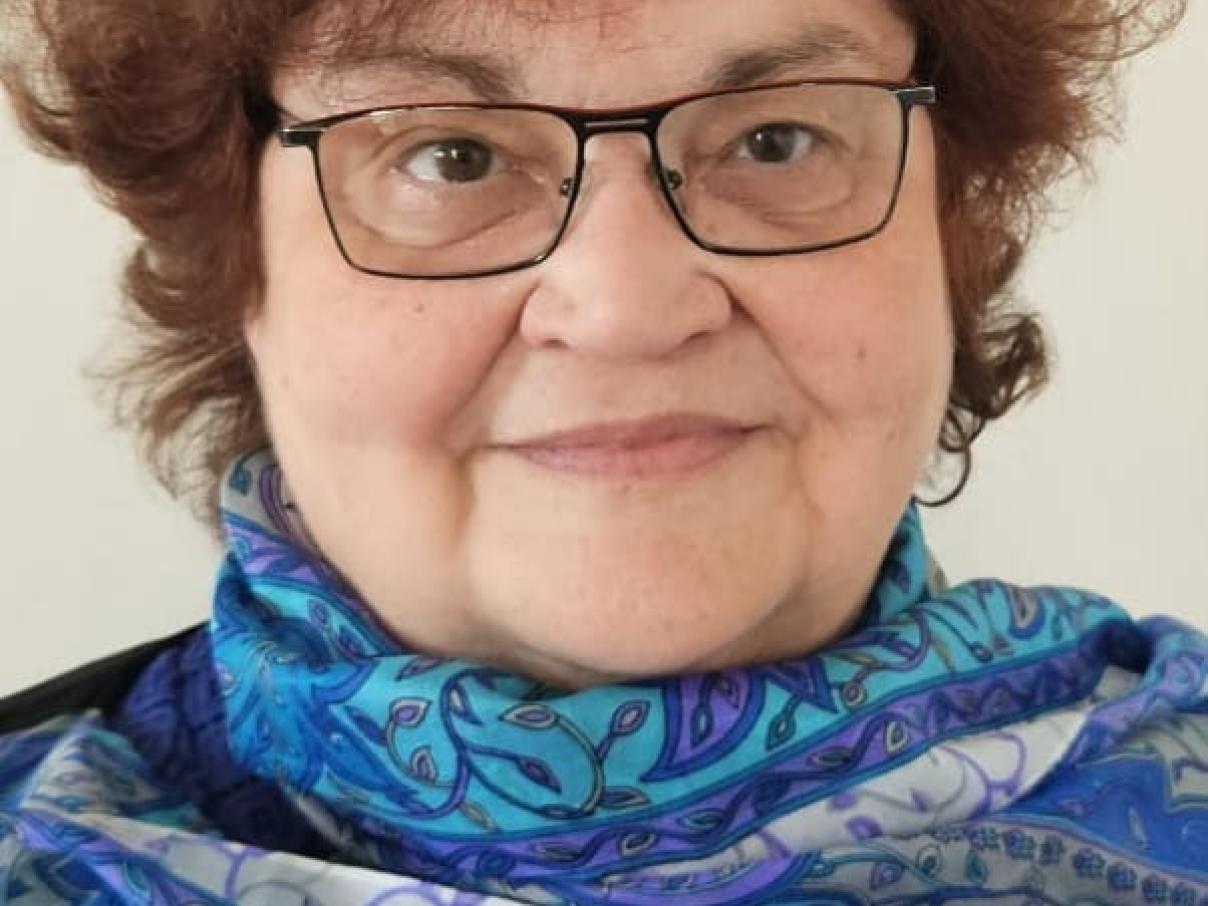
This Year Bacq and Alexander awardee is Laure Sabatier.
Laure SABATIER, PhD, Research Director at CEA ( the french Alternative Energy and Atomic Energy Commission). Her main interests are the transmission of chromosome damage into the progeny of irradiated cells and the study telomere maintenance and the role of chromosome instability in multistep carcinogenesis. Recently, she has been interested in the genotoxic effects induced by repeated exposure to MRI and has coordinated the genotoxicity studies after exposure to the world's most powerful MRI, 11.7T. She is co-author of more than 170 peer reviewed papers. She has been a partner and coordinator in numerous European projects since 1992. She has been head of the Laboratory of Radiobiology and Oncology (LRO) 1996-2015. She was appointed as head of the Biology and Health Department at the French Research Ministry from 2010-2013. Appointed as Director of the cross-division Toxicology Program of the CEA (2013-2016), she is now the Coordinator of Biology and Health Infrastructures at CEA. She is officer of the National Order of Merit
Meet the Guest Speakers
-
European Defence Fund (EDF) Resilience 2023: An example to reflect a new funding resource for radiobiological research within Europe.
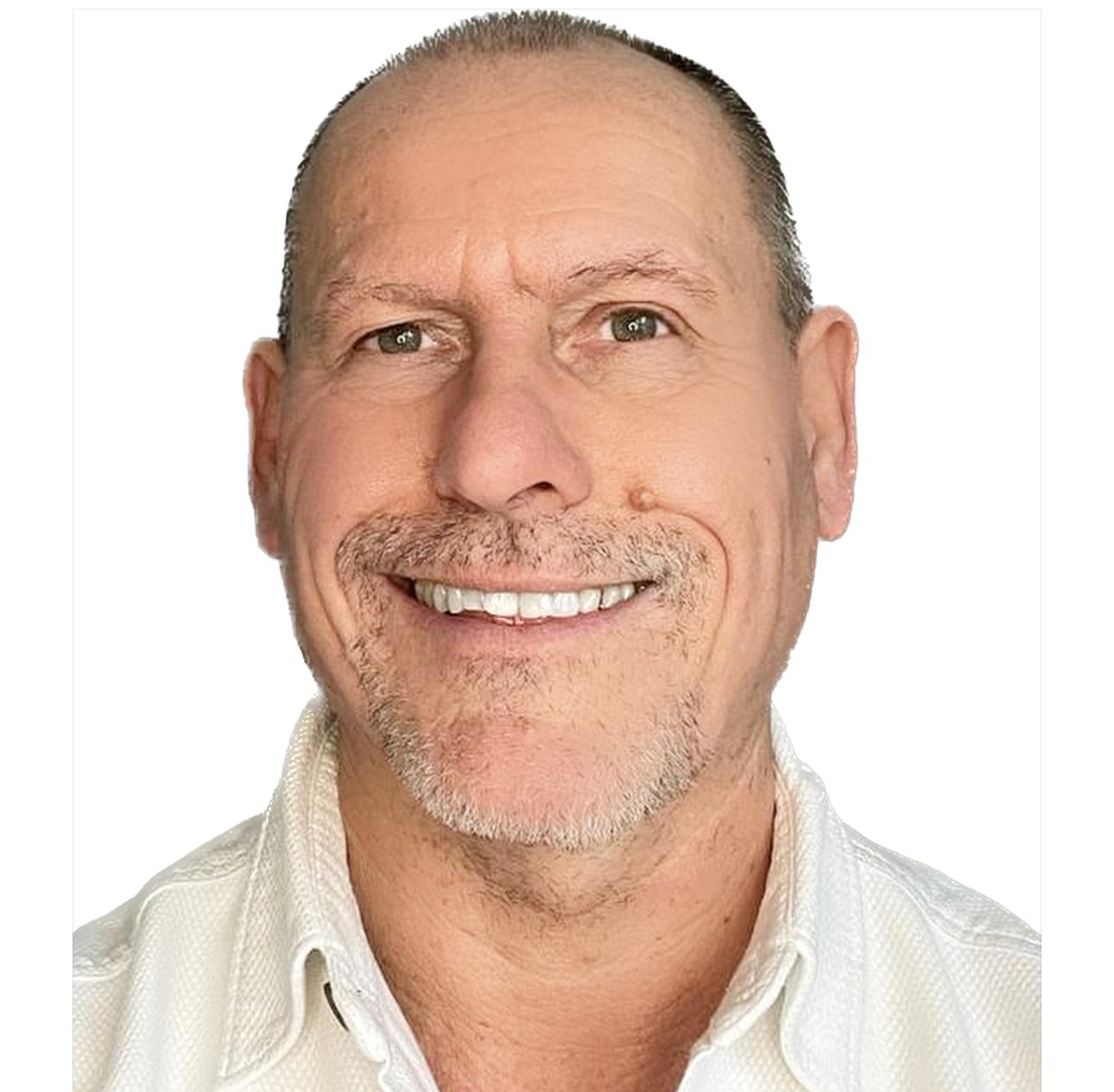
Michael Abend earned a medical doctor degree at the University Cologne, a professorship in Radiobiology at the Technical University Munich and studied Epidemiology (Master degree) at the Gutenberg University in Mainz, Germany. He worked at different international scientific Institutions such as the Armed Forces Radiobiology Research Institute, Bethesda MD or the National Cancer Institute (Radiation Epidemiology Branch), Rockville, USA. His background in medicine, molecular biology, radiobiology and epidemiology allows another view on molecular diagnostic of acute health effects after radiation exposure with less focus on biodosimetry and more emphasis on medicine and predicting acute health effects. Their work became recognized and several scientific awards were earned and almost 200 peer reviewed scientific papers were published. He is also associate editor for radiobiological journals including IJRB and RadRes and member of different scientific Institutions such as ERRS or the German association for radiation protection.
Michael Abend holds offices at NATO groups, was a Deputy Director and leader of the Genomic department of the Bundeswehr Institute of Radiobiology and retired in 2025. He has over 30 years teaching experience at the bachelor, masters and postgraduate levels.
-
What’s next for radiation biomarkers?
Elizabeth A. Ainsbury is an international recognised radiation protection scientist working at the UK Health Security Agency and Brunel University on the short and long term risks of low dose radiation exposure, radiation emergency preparedness and response and wider safe use of radiation in society, with a particular interest in radiation biomarkers of exposure, response and risk assessment. Professor Ainsbury has led and contributed to many large scale collaboratively research programmes, has published over 130 peer-review journal papers, regularly speaks at international conferences and teaches and lectures including at various UK and overseas Universities. Professor Ainsbury contributes to international activities focused on the System of Radiological Protection including through membership of the International Commission of Radiological Protection (ICRP) Committee 1: Radiation Effects and the United Nations Scientific Committee on the Effects of Atomic Radiation (UNSCEAR).
-
Radiation-induced cardiovascular diseases: an omics quest
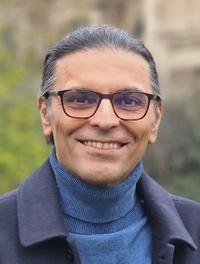
PD Dr. Omid Azimzadeh is a senior researcher in the Radiation Biology section at the Federal Office for Radiation Protection, Germany (BfS) and a lecturer (Docent) of Radiation Biology at the Technical University of Munich, School of Medicine and Health. He is a member of WHO UNSCEAR Expert Group CircuDis (Diseases of the circulatory system from radiation exposure), ICRP Task Group 119 (Effects of Ionising Radiation on Diseases of the Circulatory System), ICRP Task Group 123 (Classification of Harmful Radiation-induced Effects), and the High-level Group on Low Dose Research on Adverse Outcome Pathway (AOP) approach. His research focuses on the adverse effects of radiation exposure on normal tissues, particularly cardiovascular diseases, with a special emphasis on omics analysis.
-
Biological effects of charged particles: modelling approaches for hadron therapy and space research (TBC)
Francesca Ballarini is Associate Professor at the University of Pavia, Italy, where she teaches several classes (including Medical Physics, Radiation Protection, and Physics for Hadrontherapy), she is President of the Applied Nuclear Energy Laboratory, and she leads the group of Computational Radiobiology of the Physics Department. Since her MSc in Physics in 1997, her research activity focuses on modelling the effects of ionizing radiation, with applications for cancer hadron therapy as well as astronauts’ radiation protection; in particular, FB is main author of the BIANCA biophysical model, which simulates the induction of cell death and chromosome damage by radiation. This research activity is carried out in collaboration with different institutions including CNAO (National Centre for Oncological Hadrontherapy) and HIT (Heidelberg Ion-beam Therapy centre). FB published 113 articles in Scopus-indexed journals (h-index=32) and 3 book chapters, and delivered more than 40 invited talks. Furthermore, FB was President of the Italian Society for Radiation Research (SIRR), member of the Board of Councillors of the International Association for Radiation Research (IARR), editor of the journal Frontiers in Oncology, and member of the scientific and/or organizing committee for many national or international conferences and schools.
-
Virtual Imaging Trials for x-ray imaging exploration without dose burden
-
Protontherapy: the holy grail of radiotherapy?
-
Radiation effects on electronics in space: mechanisms and ground testing
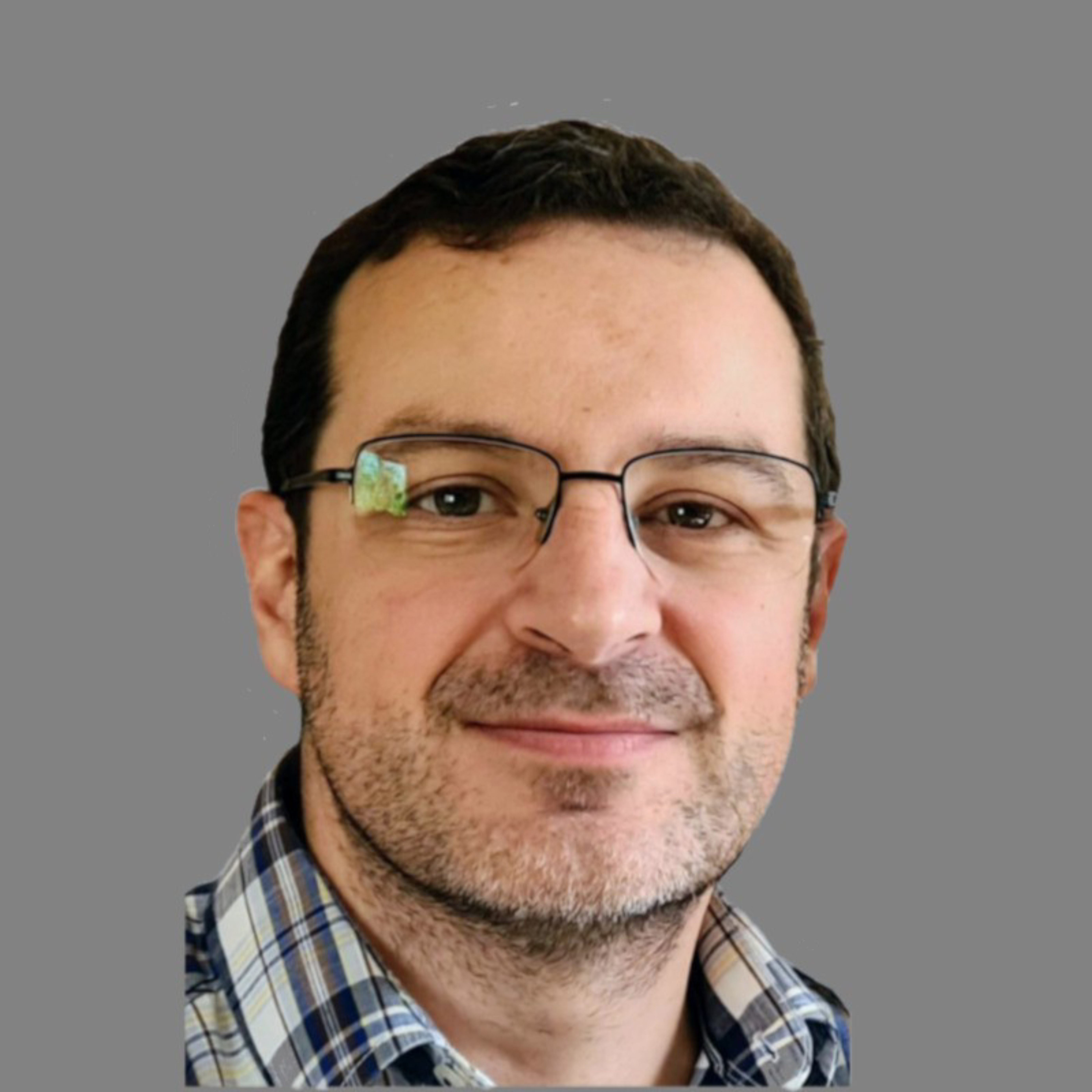
Dr. Alain CARAPELLE has a Master degree in Physics, a post-master specialized degree in Nuclear Sciences. His Ph.D thesis subject was the realization of new portable high resolution X-Ray Fluorescence (XRF) spectrometer using Silicon Drift Detector. He is working at Centre Spatial de Liège since 1997 and is RPO. His field of expertise is radiation and XRF for space application. He was project manager and radiation specialist for several ESA & EU projects: Gamma-ray densimeter for cryogenic slush mixture (ESA FLTP & FLPP), radiation induced signals in JUICE UVS & MAJIS instruments (ESA Prodex), Radiation Shielding of Composite Space Enclosures (SIDER EU FP7), radiation aspects for Modular Power BUS for space vehicles (MPBUS EU FP7), XRF instrument for Lunar exploration (ESA GSTP), Radnext (cern leaded EU H2020)... He has been appointed as expert by EU for evalution of H2020 proposals. He is giving lectures on radiation effects in space at master level is responsible, at Université de Liège, for 2-year (120 ECTS) European Master in Radiation and its Effects on MicroElectronics and Photonics Technologies (RADMEP)
-
Novel alpha emitters for targeted alpha therapy: promises and challenges
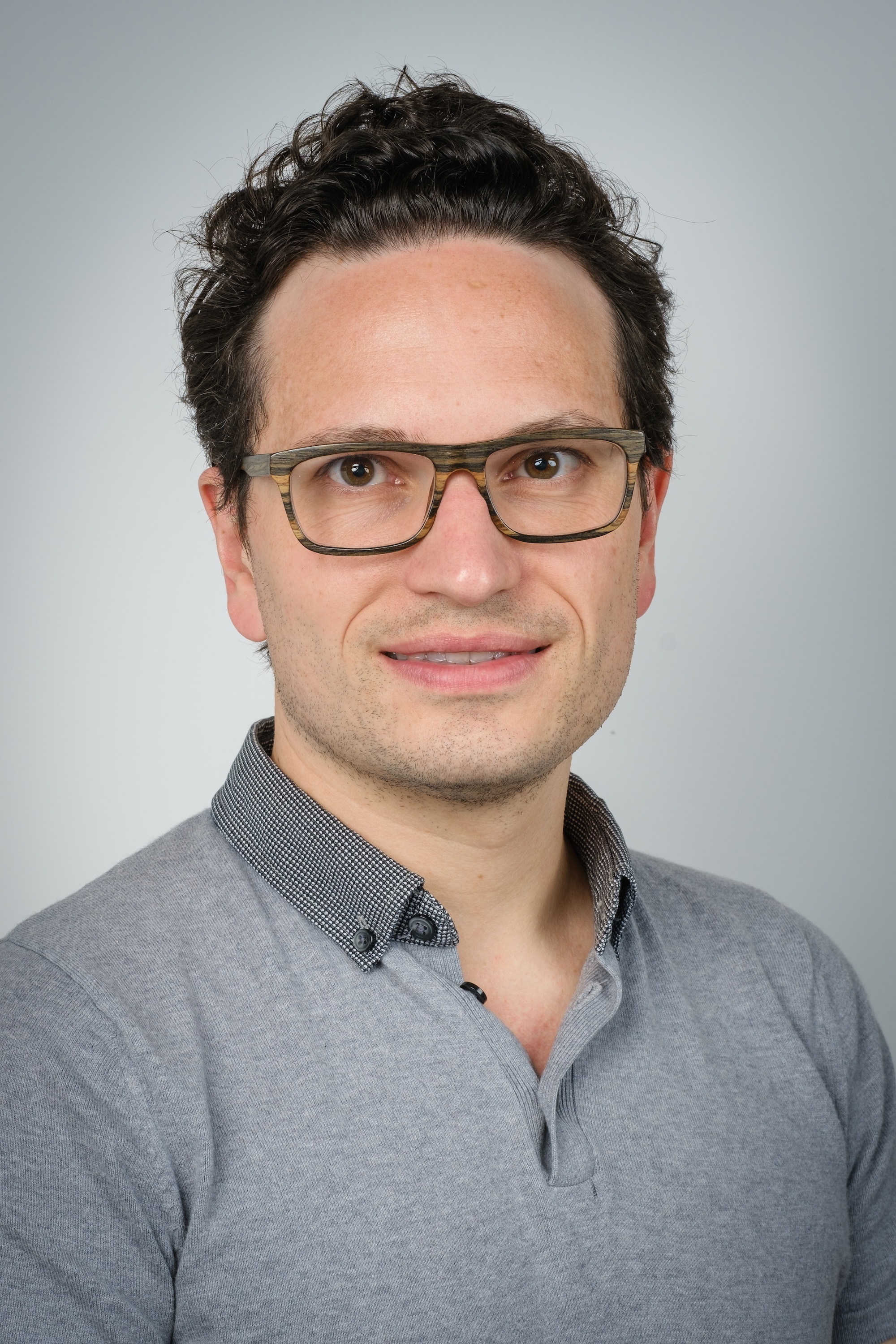
Prof Thomas Elias Cocolios is a professor of nuclear physics at the KU Leuven Institute of Nuclear and Radiation Physics. His research covers a broad spectrum of investigations with radioactive ion beams for fundamental and applied research, mostly at the CERN radioactive ion beam facility ISOLDE. Thomas is a member of the board of the CERN MEDICIS facility (MEDical Isotopes Collected from ISOLDE) for the production of novel medical radionuclides for research, and the Dissemination Manager and Training Officer of PRISMAP, the European medical radionuclide programme.
-
Milestones in the History of Nuclear Medicine
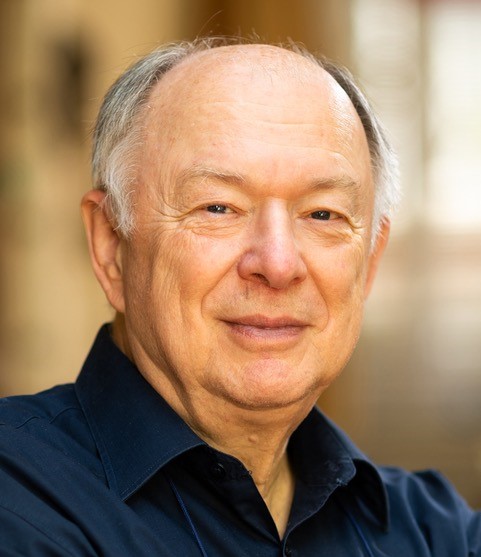
Frank Deconinck obtained his PhD in Medical Physics from the Vrije Universiteit Brussel (VUB). He was research associate at the University of California (UCSF) and research collaborator at Brookhaven National Laboratory. He is professor emeritus of biomedical physics at VUB and co-directs BrIAS, the Brussels Institute for Advanced Studies since 2018.He is honorary chairman of the board of governors of the Belgian Nuclear Research Centre (SCK CEN) and honorary president of the European Nuclear Society. He coordinates Rad4Med.be, the Belgian network for nuclear applications in healthcare.
-
Radiation Risks to Major Organs in Children and Adolescents Treated for Cancer: Insights from European Studies
-
Single domain antibody platform used as radiopharmaceuticals in cancer treatment.
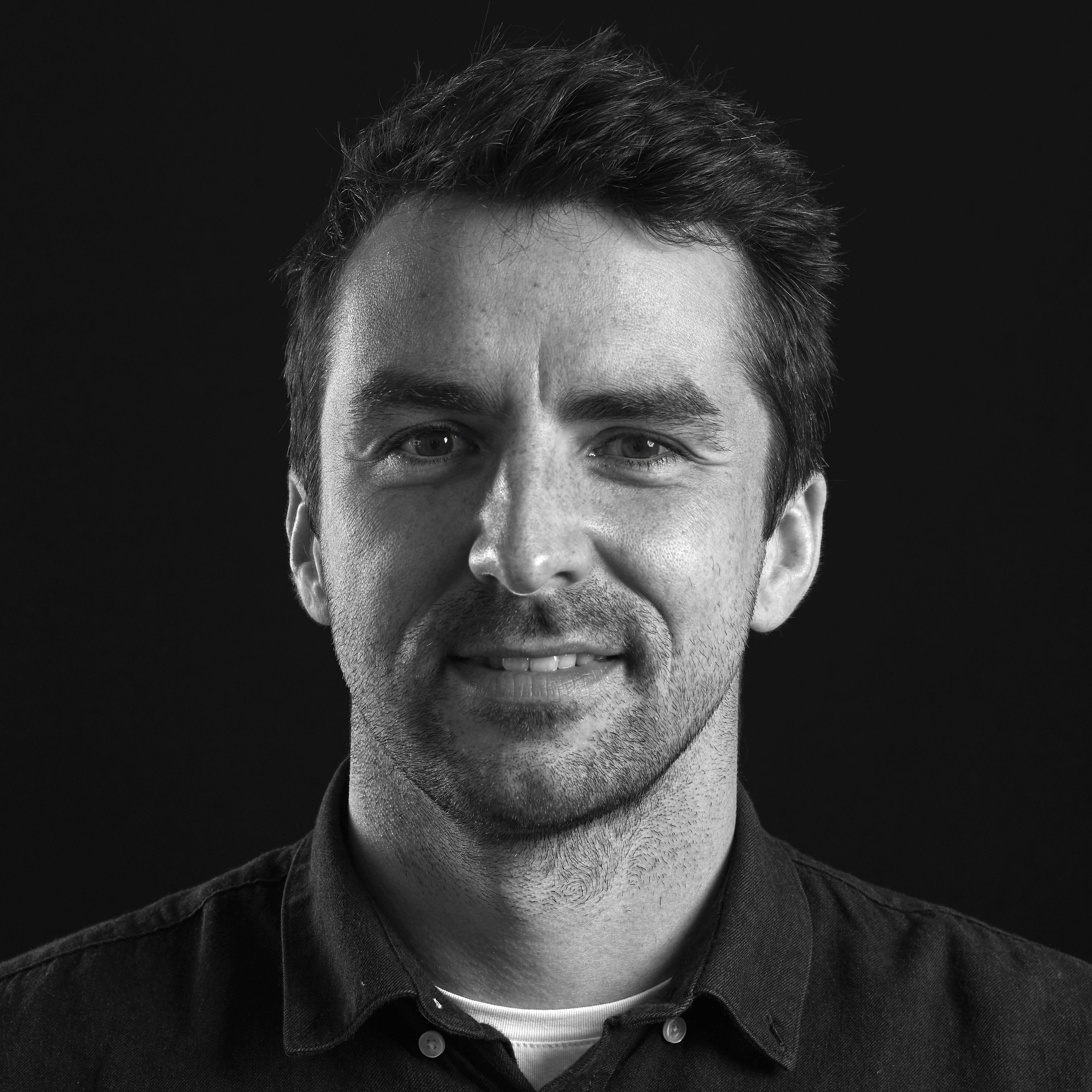
Matthias D’Huyvetter is a research professor at the Vrije Universiteit Brussel (VUB) and Director Research & CMC development at the radiopharmaceutical company Precirix. He graduated in 2009 as Master in Biomedical Sciences at the University of Antwerp. In 2014, he received his PhD in Medical Sciences at the VUB for his work on radiolabelled single-domain antibody fragments as theranostic drugs for cancer treatment. During his PhD, he spent one year at Duke University, North-Carolina USA, under the guidance of Michael Zalutsky. Also in 2014, he co-founded the VUB spin-off company Precirix. He continued his academic research as a postdoctoral fellow of the Research Foundation Flanders-FWO and became research professor at the VUB in 2017. His academic research involves the design and characterization of novel theranostic agents in the field of targeted radionuclide therapy, with a dominant focus single-domain antibody fragments as targeting vehicles and alpha- and beta-particle emitters as toxic payload.
-
The role of TGF-beta3 in radiation response
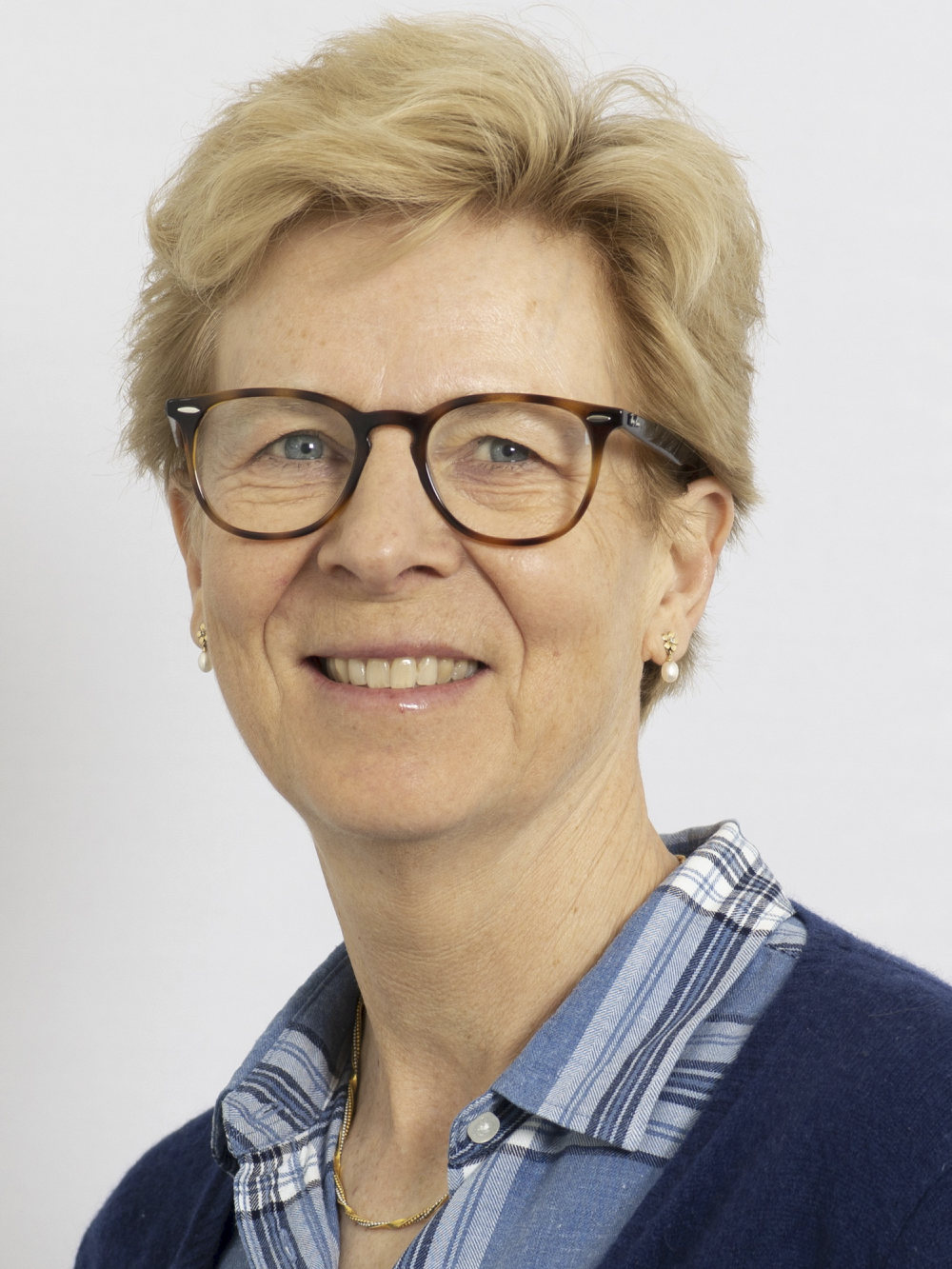
Nina Jeppesen Edin, Professor of Physics and Head of the Section for Biophysics and Medical Physics at the University of Oslo, conducts interdisciplinary research bridging radiation physics and radiobiology. Her main research interests include low dose/dose rate effects, TGF-β3 signaling in radiation response, the differential molecular and immunogenic responses of proton versus X-ray irradiation, and the effects of spatially fractionated particle radiation.
-
Overview of Joint Research Centre’s (JRC) activities in radiation research
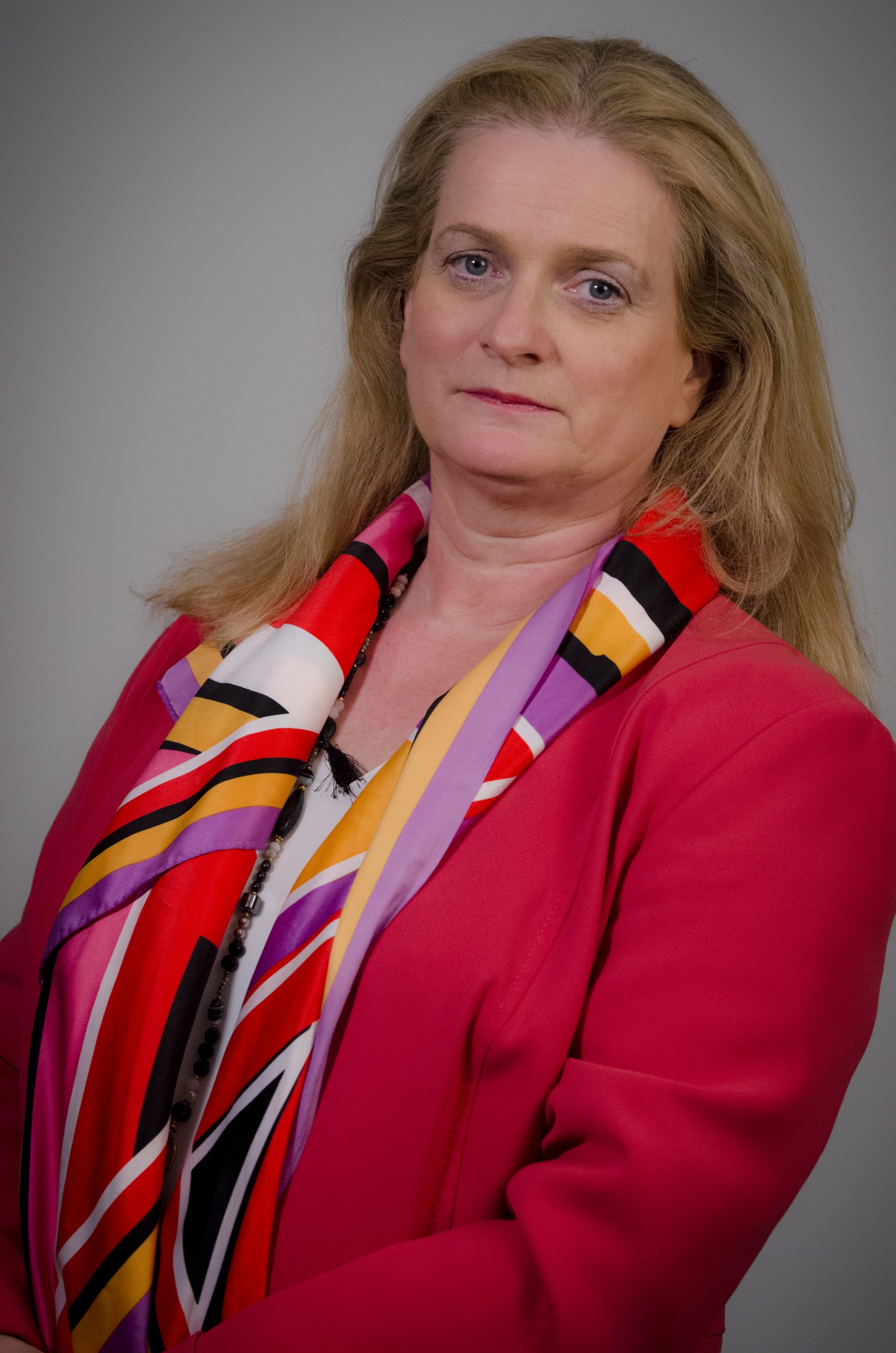
Ulla Engelmann has obtained a phD in radiochemistry at the technical university of Karlsruhe (today KIT, Karlsruhe Institute for Technology) in 1992. She then started as a postdoc in JRC Ispra in the Tritium laboratory, and moved to heading the PR department in JRC Ispra in 1997. From 2004 she worked in different Head of Unit functions in JRC, including communication, international and inter-
institutional relations. She moved to DG GROW (Directorate-General for Internal Market, Industry, Entrepreneurship & SMEs) in 2017, where she held different functions with responsibility for SME networks, such as industrial clusters and Entreprise Europe Network, entrepreneurship, social economy and industrial forum and she was one year acting Director for networks and governance. Since 2023 she is JRC Karlsruhe Site Director (employer) and JRC Director G for Nuclear Safety and Security with units based in Karlsruhe (D), Geel (B), Petten (NL) and Ispra (I). The mission of the JRC (DG Joint Research Centre) Directorate G for Nuclear Safety and Security is the implementation of the JRC Euratom Research and Training Programme, the JRC Nuclear Strategy and the maintenance and dissemination of nuclear competences in Europe to serve both ''nuclear'' and ''non-nuclear'' EU Member States. She manages an annual budget (excl. staff cost) of around 40 M€ and 320 staff distributed over 4 sites. -
Radiobiological perspectives of the use of densely ionizing radiation for the treatment of tumors combined with immunotherapy
Prof. Dr. Claudia Fournier is head of the research group “Immune and Tissue Effects after Densely Ionizing Radiation” (Department of Biophysics) at the GSI Helmholtzzentrum für Schwerionenforschung in Darmstadt, Germany. Her research has focused on preclinical studies to explore potential therapeutic effects of low-dose exposure (especially radon). More recently, she has been working on combinations of different concepts of immunotherapies with heavy ion radiotherapy for the treatment of tumors. She holds an honorary professorship at Darmstadt University of Applied Sciences. She is active in various radiation protection advisory bodies (SSK, Radiation Protection Commission, member of the board; member of the German delegation to UNSCEAR) and committees (KVSF, Competence Network for Radiation Research; has been a long-standing member of the board of the DeGBS, German Society for Biological Radiation Research).
-
The radiation-induced ATM nucleoshuttling (RIANS model): a new general paradigm for radiobiology?
Nicolas Foray has a long experience in the field of individual response to ionizing radiation and is developing the radiation-induced ATM nucleoshuttling (RIANS) model to this aim. He is director of the Inserm Unit 1296 entitled “Radiation: Defense, Health, Environment” devoted to the radiation research. He was also coordinator of a National Scale radiobiology project (Future Investment Projects) that focuses on individual radiosensitivity. He has also been coordinator or partner of a number of radiobiological studies for 25 years and has published 4 books, 10 book chapters, and more than 160 papers. Finally, Nicolas Foray is also involved in EU projects related to IR, notably the Fet Open calls. He has supervised more than 15 PhDs. He was President of the French Speaking Society of Radiobiology for 8 years and Editor-in-Chief de International Journal of Low Radiation from 2011 to 2021. He is Editor in European Radiation Experimentals since 2017, Biomolecules since 2020, Radioprotection since 2022. Nicolas Foray has been awarded by the French Academy of Sciences in 2008 and by the French Academy of Medicine in 2021.
-
Radiation for Space Propulsion : LightSails, Photon Rockets and Interplanetary Ramjets
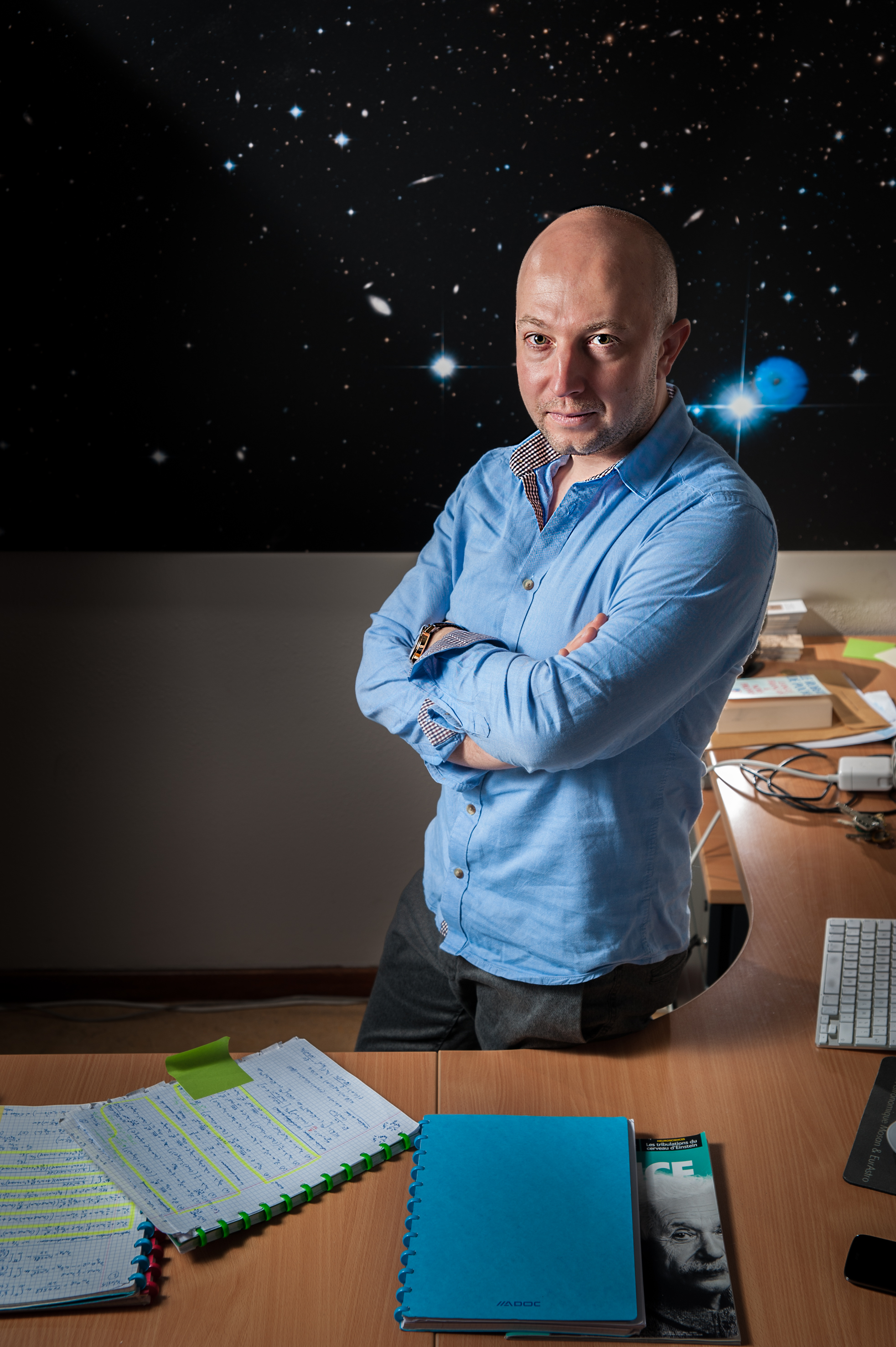
Pr. André Füzfa is a theoretical astrophysicist based at the Institute for Complex Systems at the University of Namur (Belgium). He has a research background in cosmology, modified gravity and tests of general relativity, electromagnetic detection of ultra-high frequency gravitational waves as well as sci-fi inspired topics like gravitational field generators and modeling interstellar travel. He is also strongly involved into science dissemination, notably through popularizing astronomy at the observatory of the University of Namur and writing hard science-fiction books.
-
In utero exposure to ionizing radiation and metabolic regulation: perspectives for future multi- and trans-generation effects studies.
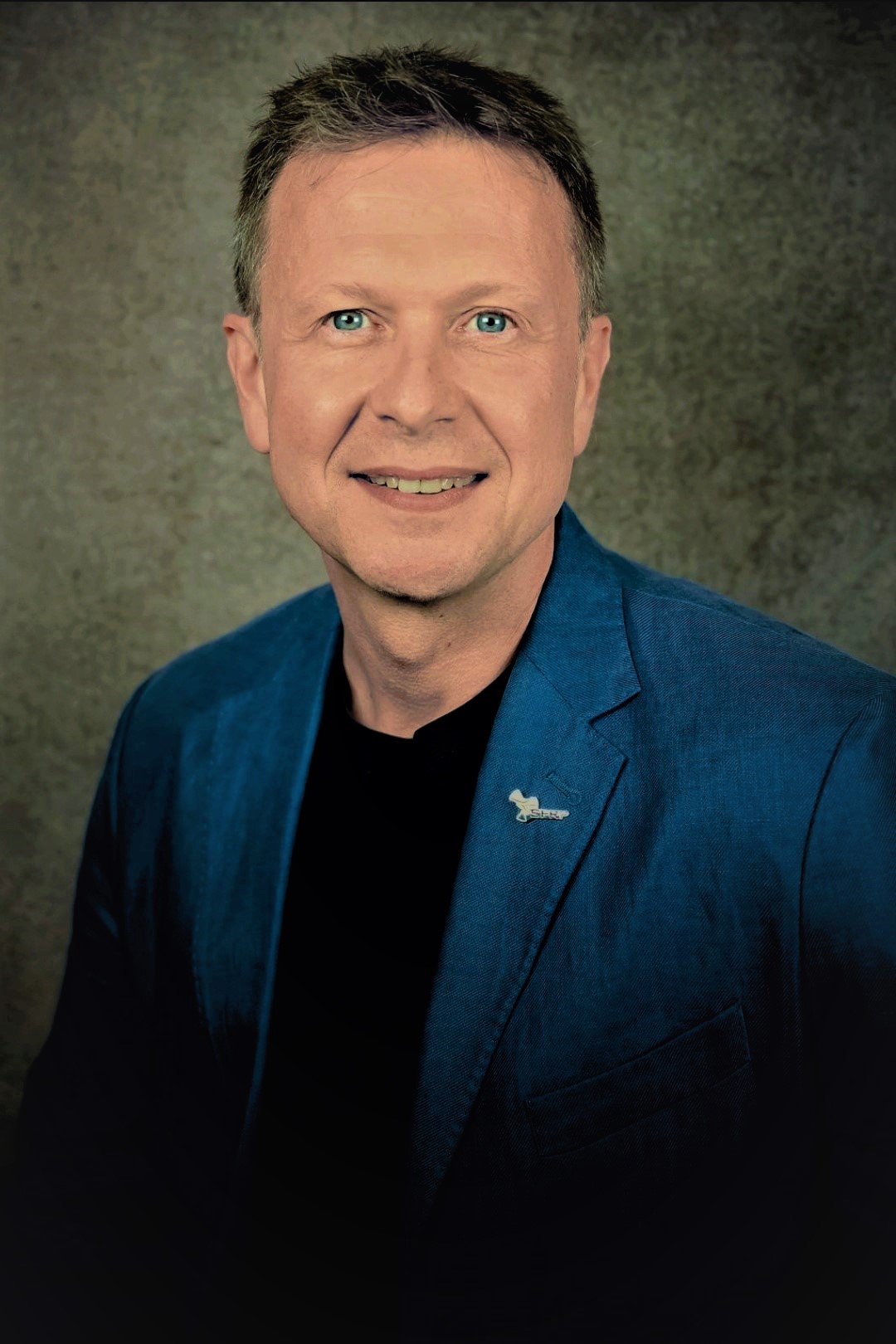
Stéphane Grison is a researcher at the French Nuclear Safety and Radiation Protection Authority (ASNR). He began his career in a digestive radiobiology laboratory, investigating gastrointestinal syndrome induced by ionizing radiation. Subsequently, he contributed to an experimental radiotoxicology laboratory, focusing on the effects of chronic internal exposures to low doses of uranium, tritium, and cesium-137—key anthropogenic radionuclides dispersed in the environment. Over the past decade, his research has been dedicated to understanding the impacts of such exposures on progeny. Additionally, he is a member of Working Group 121 of the International Commission on Radiological Protection (ICRP), which examines the effects of ionizing radiation exposure on offspring and subsequent generations.
-
Proton Therapy: the European perspective
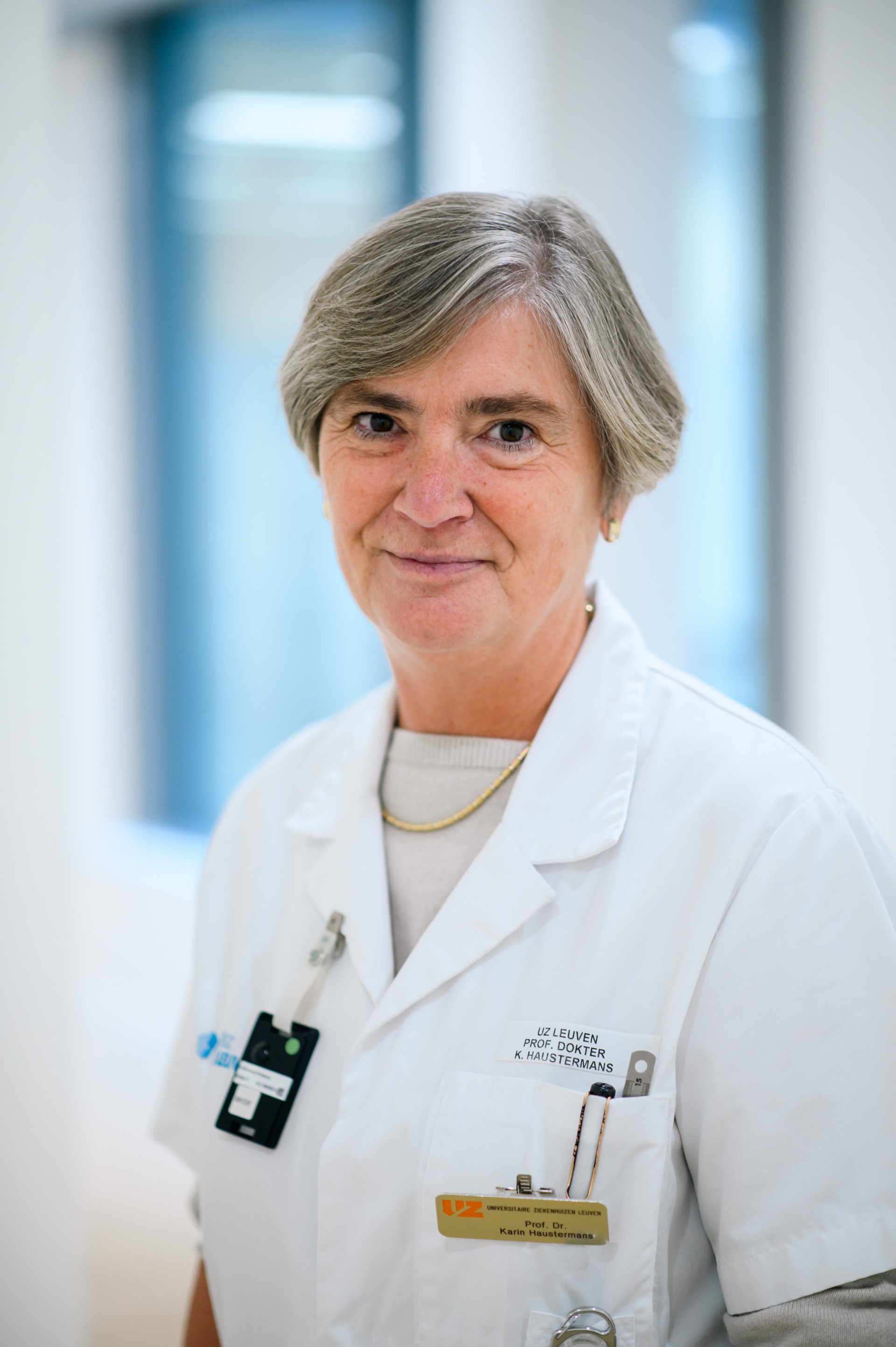
Karin Haustermans graduated in 1987 as Doctor in Medicine, Surgery and Obstetrics (MD) at the Catholic University of Leuven (KU Leuven, Belgium). In 1993, she completed her training and qualification in Radiation Oncology. After a research fellowship at the Laboratory of Experimental Radiotherapy (KU Leuven), she obtained her PhD in Medical Sciences for which she received in 1996 the ESTRO-VARIAN Clinical Research Award. Thereafter she spent four years as a staff member at the Netherlands Cancer Institute in Amsterdam.
Currently, Karin Haustermans is Medical Director of Protontherapy PARTICLE and member of the Comprehensive Cancer Center Board of the Leuven Cancer Institute at the University Hospital Leuven (Belgium). She is full Professor at the KU Leuven. She is specialized in GI and GU oncology. From 2006 to 2009 she held the Chair of the EORTC Radiation Oncology Group and from 2009 until 2015 she was Chair of the Quality Assurance Committee of EORTC. She is also involved in the Belgian Cancer Registry as a member of the board and chair of the Coordination Council.
In 2010 she was awarded the ESTRO Breur medal in recognition of her major contribution to European Radiotherapy. From 2011 onwards she was appointed as a member of the Belgian Royal Academy of Medicine, in 2015 she became a fellow of the European Academy of Cancer Sciences and in 2024 member of the Deutsche Akademie der Naturforscher Leopoldina. Since 2016 she is clinical editor of Radiotherapy & Oncology.
-
Transcriptional tales of heavy ion-hit cells – consequences for space exploration missions
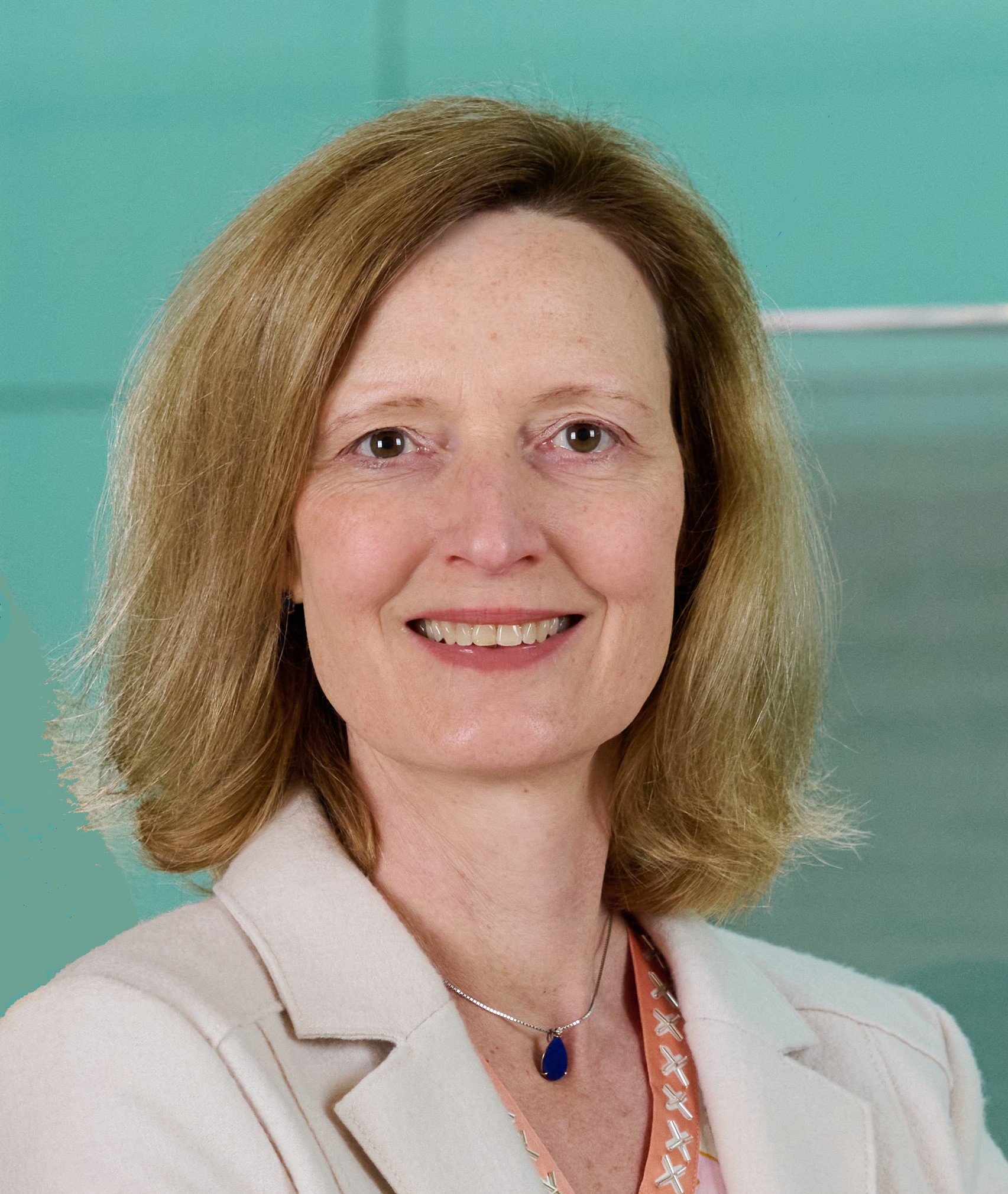
PD Dr. med. vet. Christine E. Hellweg (2001 Dr. med. vet., 2012 Habilitation) is Vice Director of the Institute of Aerospace Medicine, German Aerospace Center (DLR) in Cologne, Germany, since January 2025. Before, she was head of the Department of Radiation Biology at the same Institute addressing aerospace-related topics concerning the effects of radiation on humans and the biosphere, as well as characterizing the unique radiation field in space. She studied veterinary medicine at the Free University (FU) of Berlin and specialized in radiation biology afterwards. She was and is Principal Investigator (PI) of numerous heavy ion beam time experiments at the French heavy ion accelerator GANIL and at GSI in Germany. She teaches at the FU Berlin, Faculty of Veterinary Medicine (Immunology), at the University of Mainz, and at the Rheinische Friedrich-Wilhelms-Universität Bonn, Germany (Radiation Biology).
-
Lessons from the extremes: radiation tolerance in desiccation-resistant organisms from earth to space
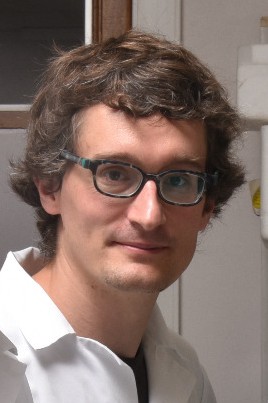
Dr. Boris Hespeels is the scientific manager of multiple space-related projects at UNamur, working at the intersection of physics and biology. His research focuses on understanding how extremotolerant organisms, such as bdelloid rotifers and Physarum polycephalum, respond to and recover from cellular damage caused by high doses of radiation (>500 Gy) and the conditions encountered during spaceflight. A key focus is how poly-extremophiles manage genomic instability and the mechanisms they use to repair it. He also explores the broader concept of radiation resistance by studying unconventional model organisms, such as ants, to better understand survival strategies across the tree of life. A central theme of his work is the adaptation and response of life to spaceflight, including exposure to the external space environment. To date, he has contributed to the implementation and analysis of three space experiments on board ISS and is currently coordinating new ESA-supported missions.
-
Sweeping LET: Exploring UHDR Irradiation Parameters and FLASH Effect Occurrence on Thin in vivo and in vitro Models
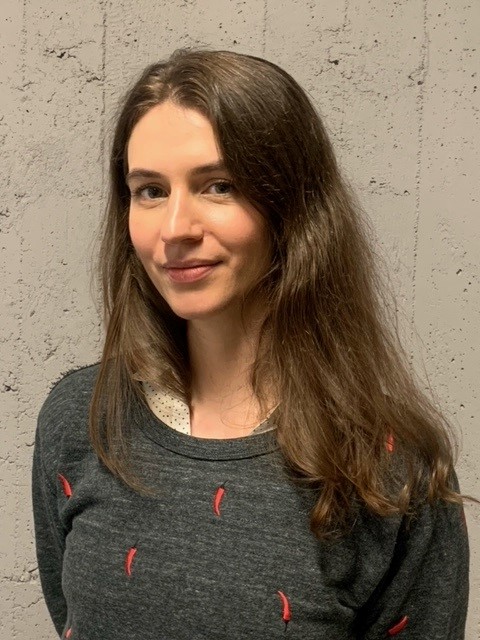
Dr. Anne-Catherine Heuskin is an Associate Professor at UNamur, where she leads an interdisciplinary radiobiology research group bridging physics and biology. Her research focuses on optimizing cancer radiotherapy, particularly proton and hadron therapy, through the interplay between radiation quality and cellular responses, and the use of co-culture models to investigate tumor microenvironment dynamics. Her lab developed a unique multi-particle irradiation setup, the only one of its kind in Belgium, enabling preclinical studies on 2D and 3D models, as well as small organisms like C. elegans and rotifers. Recently, she has been focusing on ultra-high dose rate (UHDR) proton and alpha irradiation studies to unravel the FLASH effect, contributing to a better understanding of its mechanisms and clinical potential. In parallel, her team investigates the impact of space radiation on extremophiles in collaboration with ESA-backed projects.
-
Title TBD
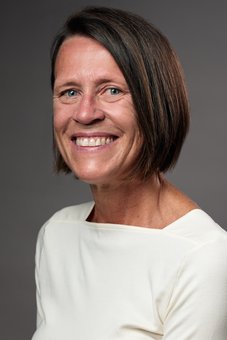
Reinhilde Jacobs is dentist, Doctor in Dental Sciences (PhD University of Leuven), periodontologist (KU Leuven) and Master in Dental Radiology (University of London). She is full professor at KULeuven and visiting professor at Karolinksa Institutet, Stockholm, Sweden and Dalian Medical University in China. R. Jacobs is heading the omfs impath research group of the KU Leuven (www.omfsimpath.be), being responsible for research, education in the field of dentomaxillofacial radiology meanwhile being Clinical Head of the DentoMaxilloFacial Imaging Center of the University Hospitals UZ KULeuven. She is Secretary General of the International Association of DentoMaxilloFacial Radiology andPresident-elect of Digital Dentistry Society. Furthermore, she is also section editor of Clinical Oral Investigations, International Journal of Oral Implantology, European Journal of Radiology and Journal of Dentistry. She has received the D Collen Research Travel Award (1994), a postdoctoral fellowship of the European Commission (1994-95) for work with Prof P- I Brånemark (Univ Göteborg), the IADR Young Investigators Award (1998) and the Belgian Joachim Award in the Odontostomatology (1999). In 2013, she received a Dr Honoris Causa at the "Iuliu Hatieganu" University of Medicine and Pharmacy in Cluj-Napoca. She is involved in many multidisciplinary and interuniversity research collaborations and has been actively participating in 5 European projects (ref. Pisa, Minosquare, Osteodent, SedentexCT, Dimitra). She is (co-)author of 6 books and more than 650 publications in peer-reviewed journals besides multiple invited lectures and publications.
-
Title TBD
-
Biology Without the Microscope? Enter Radiogenomics
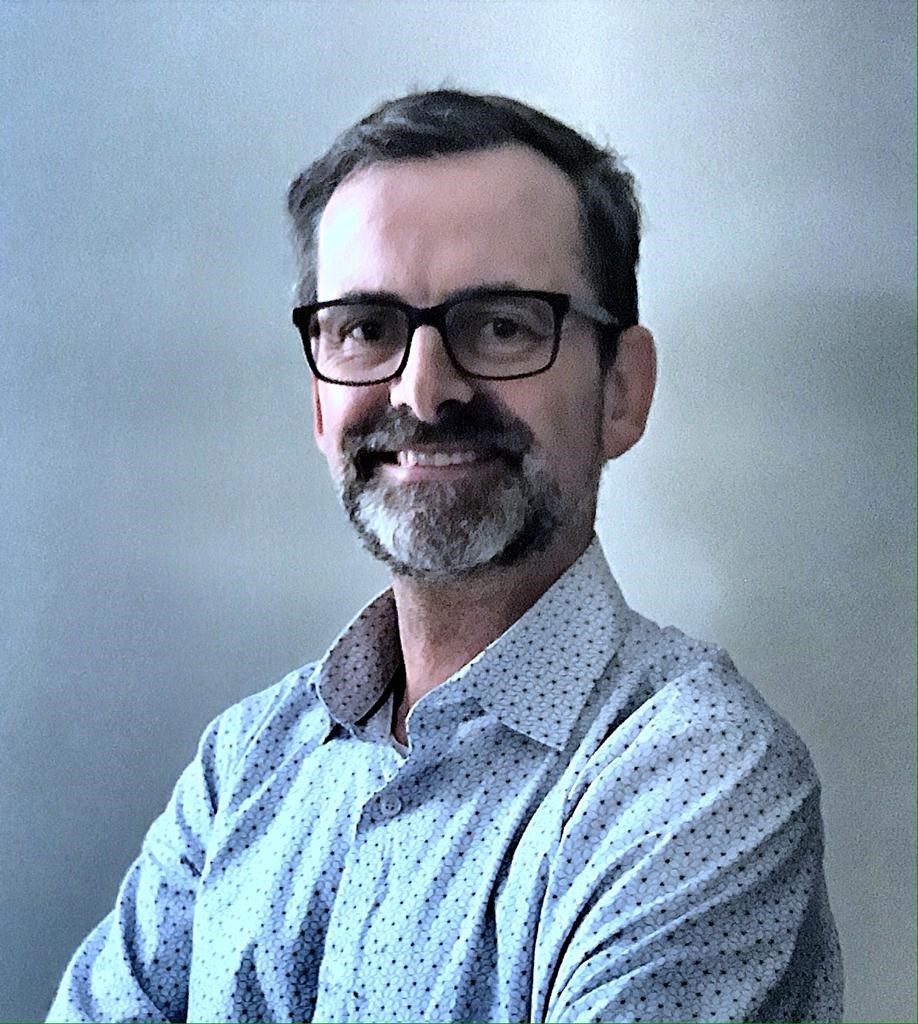
Prof. Philippe Lambin is a clinician-scientist and radiation oncologist internationally recognized for pioneering work in radiomics, tumor hypoxia, and decision support systems. He holds a PhD in Molecular Radiation Biology and is a Professor of Precision Medicine at Maastricht University. He has received numerous prestigious grants, including an ERC Advanced Grant, three ERC Proof of Concept Grants, and the EIC Accelerator. His academic contributions include over 647 peer-reviewed publications, more than 75,000 citations, and an h-index of 132 (Google Scholar). He is the co-inventor of over 23 patent families—10 in (pre)commercialization—and has supervised over 80 PhD students. Lambin has led over 30 clinical trials as Principal Investigator and helped develop key innovations such as radiomics, federated learning, LSRT ("drugless radiotherapy"), and genetically engineered bacteria for cancer therapy. He is a thought leader in precision oncology, consistently translating scientific insights into clinical and commercial applications that benefit patients.
-
Radiation-Accelerated Aging in Cancer Patients: Translational Research Challenges and Innovations from Cancer Treatment to Supportive Care?
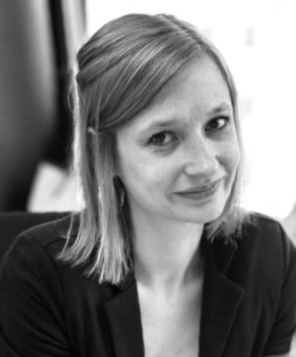
Médéa Locquet, PhD, is a principal investigator and postdoctoral researcher in radiation epidemiology and cancer epidemiology at Gustave Roussy Institute and Paris Saclay University. With over 10 years of experience in epidemiology research, she is skilled in conducting large-scale European cohort studies, focusing in radiation epidemiology and cancer epidemiology related to external or internal radiation therapies. Her responsibilities include supervising PhD candidates, designing, leading, interpreting, and reporting European multicenter cohort studies in these fields, as well as contributing to expert reports for international bodies such as the United Nations Scientific Committee on the Effects of Atomic Radiation (UNSCEAR) and the European Organisation for Research and Treatment of Cancer (EORTC). Her scientific contributions include 74 peer-reviewed articles. She is deeply committed to translational research that informs clinical guidelines and public health policies.
-
Environmental radiobiology: importance of multiple stressor context and effects in human and non-human biota
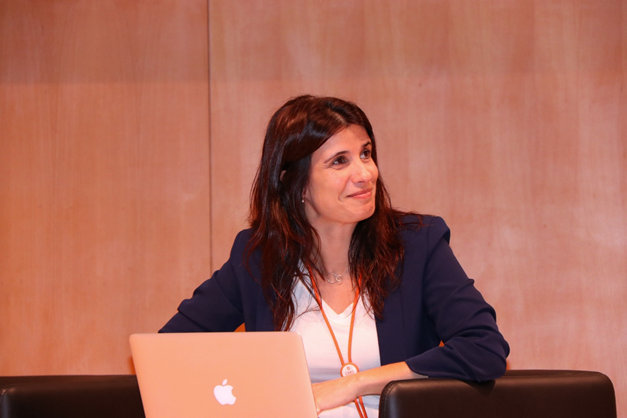
Joana Lourenço is an Assistant Researcher at the CESAM & the Department of Biology of the University of Aveiro. Her research focuses on the identification of the molecular and cellular mechanisms underlying the effects of environmental stressors-particularly naturally occurring radionuclides, metals, and complex contaminant mixtures-on human and non-human biota and also includes the identification of biomarkers of exposure to improve current environmental risk assessment frameworks. She has contributed to several national and international research projects, including RadoNorm, Epiboost, and SOILgenoMIC, where she has played a leading role in the identification and validation of molecular biomarkers for environmental monitoring, exposure characterization, risk assessment, and the study of transgenerational effects of contaminant exposure. She is a member of the European Radioecology Alliance (ALLIANCE), she is the co-coordinator of the "EFFECTS" working group and she is the Portuguese representative in the Council of the European Radiation Research Society.
-
Blood based biomarkers of normal tissue toxicity in prostate cancer patients following radiotherapy
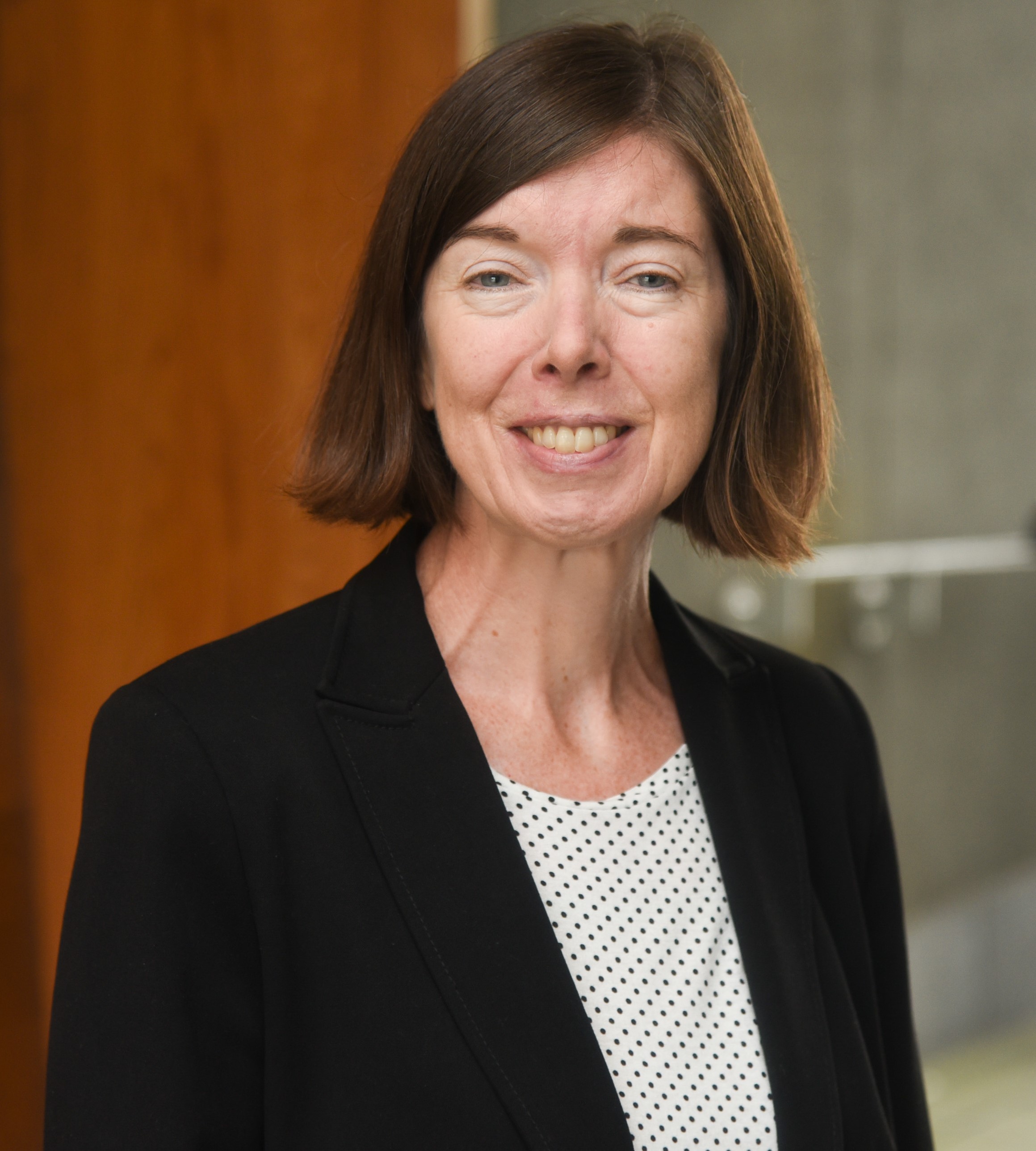
Fiona holds a BSc from Trinity College Dublin and a PhD from University College Dublin. She has held postdoctoral research positions at Daresbury Laboratory UK, University College Cork and Dublin Institute of Technology and is currently Centre Manager of the Radiation and Environmental Science Centre at Technological University Dublin (https://www.tudublin.ie/resc/). She has published >140 peer reviewed journal papers, has a h index of 50, >7600 citations and has filed 4 patents. She has supervised more than 30 PhD students to completion and has successfully won over €6 million in research funding as PI. Her research is focused on low dose radiation/non-targeted/out of field effects and on identification of biomarkers of individual radiosensitivity / radiation toxicity. Fiona has served as Treasurer and Chair of the Irish Radiation Research Society (http://www.irrs.eu/), President of the European Radiation Research Society (http://errs.eu/) and is currently Secretary-Treasurer of the International Association for Radiation Research (https://www.radres.org/mpage/IARR-Home).
-
Title TBD
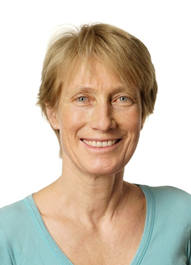
Heidi Lyng is leader of the Clinical Radiation Biology Group at Institute for Cancer Research, Oslo University Hospital, and Professor at Department of Physics, University of Oslo in Norway. She is head of the regional research network in radiation oncology (NIRO), which works to facilitate collaborations across disciplines and professions in radiotherapy research. Lyng’s research is in close collaboration with the clinic, using biopsies and medical images collected in clinical studies. Her work aims to develop biomarkers for radiotherapy response and to find targets for therapeutic intervention in combination with radiation. The integration of genomics and medical imaging in her research has led to new understanding of tumor hypoxia in cervical and prostate cancer and biomarkers that are currently evaluated in a clinical trial.
-
Helium: A new player in hadrontherapy
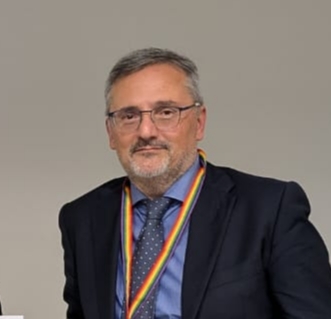
Lorenzo Manti is Full Professor of Applied Physics at the Mathematics and Physics Department, University of Campania “L. Vanvitelli”, Italy. After graduating in Physics, he moved to the UK where he was awarded an MSc and a PhD, both in experimental radiobiology. He has thereafter continued working in this field at the University of Naples Federico II, Italy, with a focus on the radiobiology of charged particle beams. Other research interests include radiosensitizing and radioprotecting strategies based on natural compounds, spectroscopic vibrational techniques and medical applications of boron-based nuclear physics reactions such as Proton-Boron Capture Therapy and BNCT. Most recently, he had been studying the potential use of accelerated helium beams in hadrontherapy. He has been President of the Italian Radiation Research Society (SIRR) and of the European Radiation Research Society (ERRS). As part of his academic duties, he has supervised almost 100 BSc and MSc students, tutoring several PhD candidates. He is the author of 90 peer-reviewed papers.
-
The use of Monte Carlo simulations to balance operator dose, patient dose and image quality in the cath lab
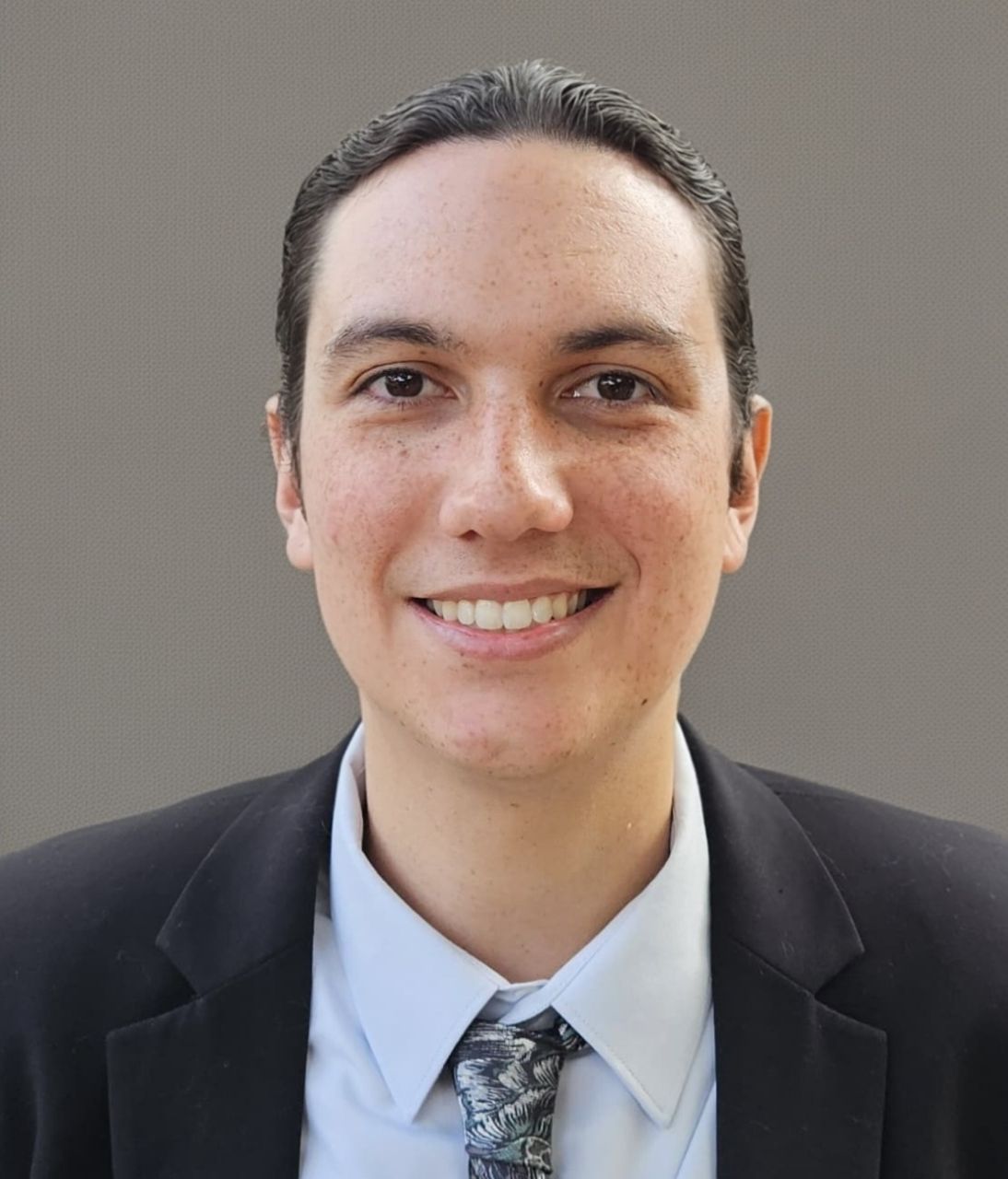
Rodrigo Massera is a research associate at KU Leuven (Belgium) and holds a PhD in Applied Physics from the University of Campinas (Brazil), awarded in 2022. His research focuses on dosimetry and image quality in X-ray imaging, with a particular emphasis on Monte Carlo simulations. He has worked on multiscale breast dosimetry and dose prediction using AI-based methods. Currently, he is involved in system modeling and the optimization of exposure parameters in interventional radiology and cardiac imaging. His work also explores the impact of these parameters on radiation doses to both patients and medical staff.
-
Optical fibers in radiative environment: behavior and applications
Prof. Patrice Mégret is Full Professor and Head of the Electromagnetism and Telecommunication Department at the University of Mons (Belgium). His research focuses on optical fiber sensors, fiber Bragg gratings, laser dynamics, and the effects of radiation on photonic components. He has led and collaborated on numerous projects related to nuclear environments, in vivo diagnostics, and environmental monitoring. With over 200 peer-reviewed publications and multiple patents, Prof. Mégret is also actively involved in international conference committees and serves as associate editor for Frontiers in Sensors..
-
An Ethics of Care Approach to Radiological Risk Governance
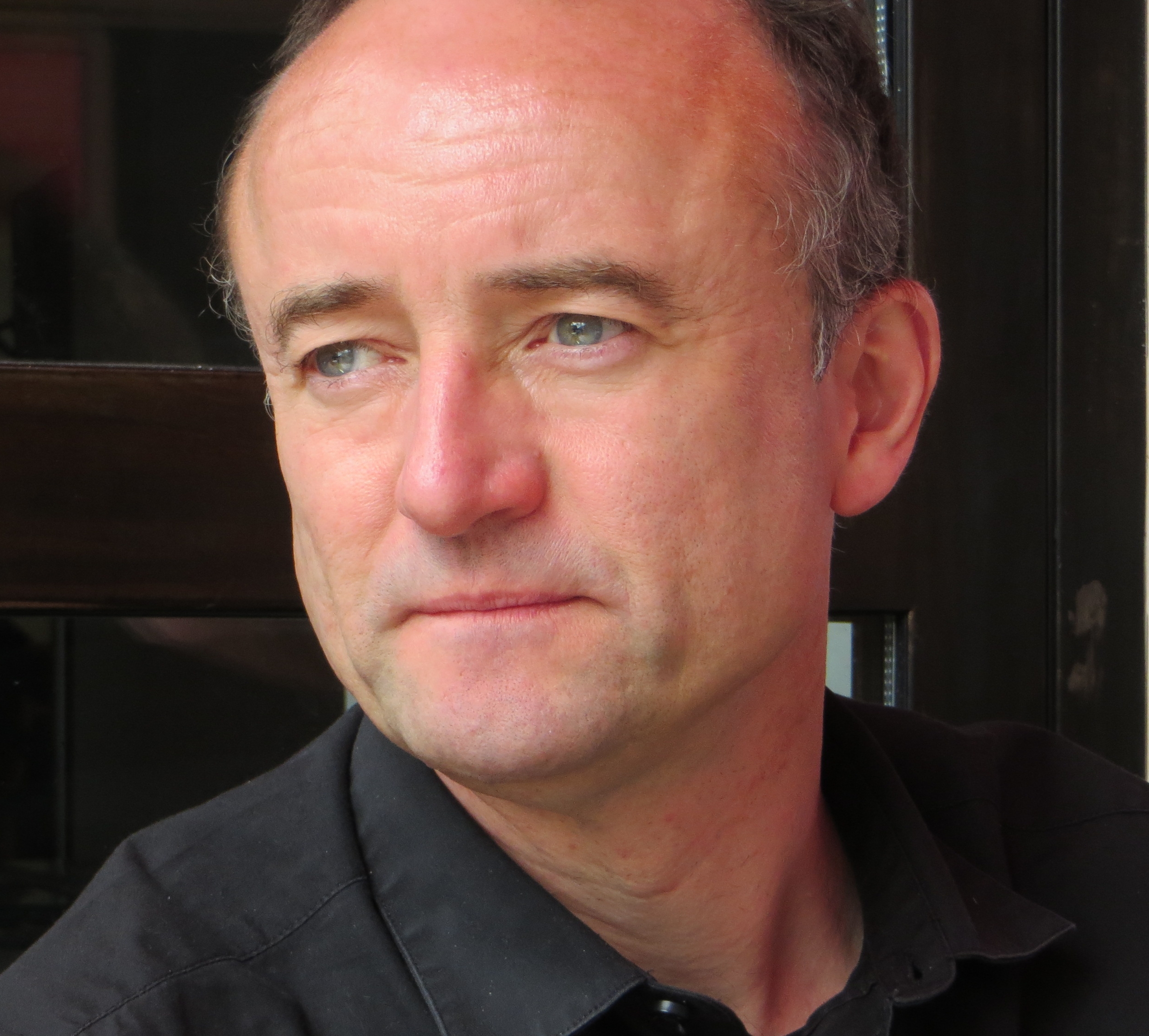
Gaston Meskens holds master degrees in theoretical physics and nuclear engineering from the University of Ghent (Belgium) and works part-time with the Science, Technology and Society group of the Belgian Nuclear Research Centre SCK CEN and with the Centre for Ethics and Value Inquiry of the Faculty of Arts and Philosophy of Ghent University. At the Centre for Ethics and Value Inquiry, his research focuses on a human rights perspective related to intellectual capacity building in the interest of global sustainable development governance. At SCK CEN, his research and outreach is concerned with the ethics of science and technology in general and with the ethical aspects of dealing with nuclear technology in particular. His Seminars on Ethics of Science and Technology are part of multiple international training programmes and university curricula.
He has built up more than twenty years of experience in transdisciplinary research related to the ethics of governance of issues such as sustainable development, energy, climate change and radioactive waste management and with working in and around the policy processes of the United Nations Framework Convention on Climate Change (UNFCCC), the United Nations Commission on Sustainable Development (UNCSD), the United Nations Non-Proliferation Treaty process (UN-NPT) and of the research-related activities of the European Commission. Since 2006, he is member of the steering committee of the Constituency of Research-oriented Independent Non-Governmental Organisations towards the UNFCCC (the constituency that represents the global scientific world in the United Nations Climate Change negotiation process).
-
How to boost anti-cancer radiotherapy with new approaches
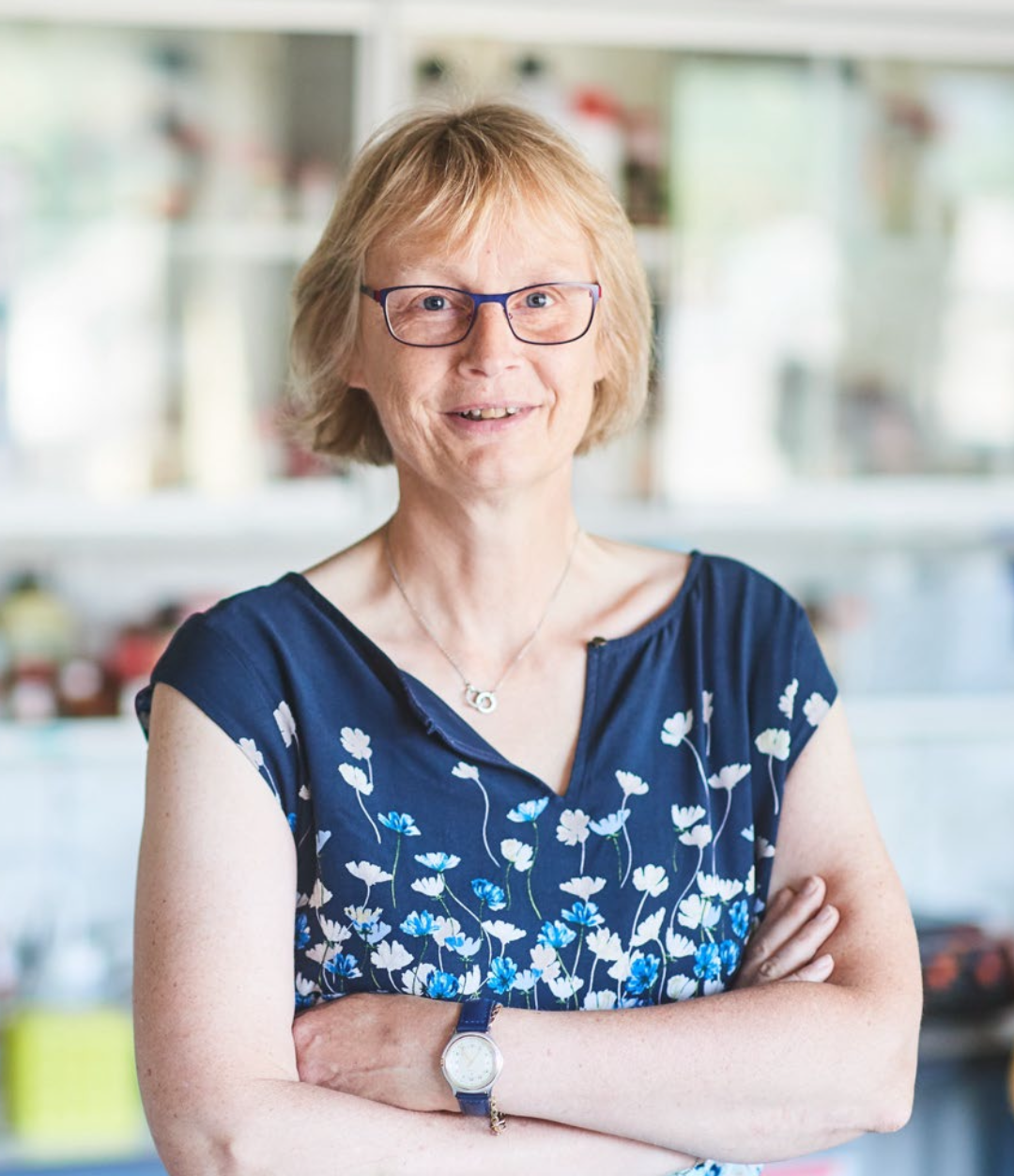
Prof. Carine Michiels is Full Professor at the University of Namur (Belgium) and a Research Director at the FNRS. She leads a research group focused on the mechanisms of tumor progression and resistance to chemo-, radio-, and immunotherapies. Her work explores the role of tumor hypoxia, inflammation, and microenvironment interactions, with particular interest in charged particle radiotherapy, gold nanoparticles, and combination strategies to induce synthetic lethality. Prof. Michiels is also passionate about mentoring young researchers and teaching scientific methodology.
-
Shields Up! Tackling space radiation for future missions
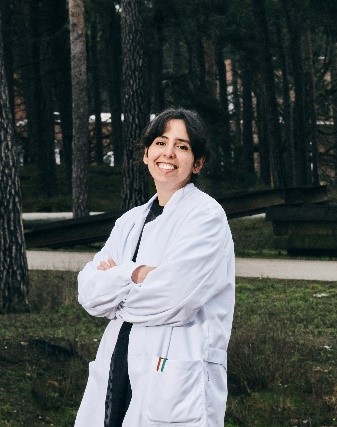
Silvana completed her Doctorate Degree in Biosciences and Engineering from the University of Ghent at SCK CEN in Belgium where she focused her rersearch on the immune system dysfunction in space, utilizing ground-based facilities and models to simulate space conditions. She is now a postdoctoral researcher at GSI Helmholtzzentrum für Schwerionenforschung, in Germany investigating the potential of carbon ion radiotherapy for treating radioresistant cancers. Her academic background includes a Bachelor's degree in Radiotherapy and a Master's degree with which she explored the role of mitochondria in the non-targeted effects of ionizing radiation.
-
Development of 161Tb-based Radiopharmaceuticals for Targeted Radionuclide Therapy: From Bench to Bedside
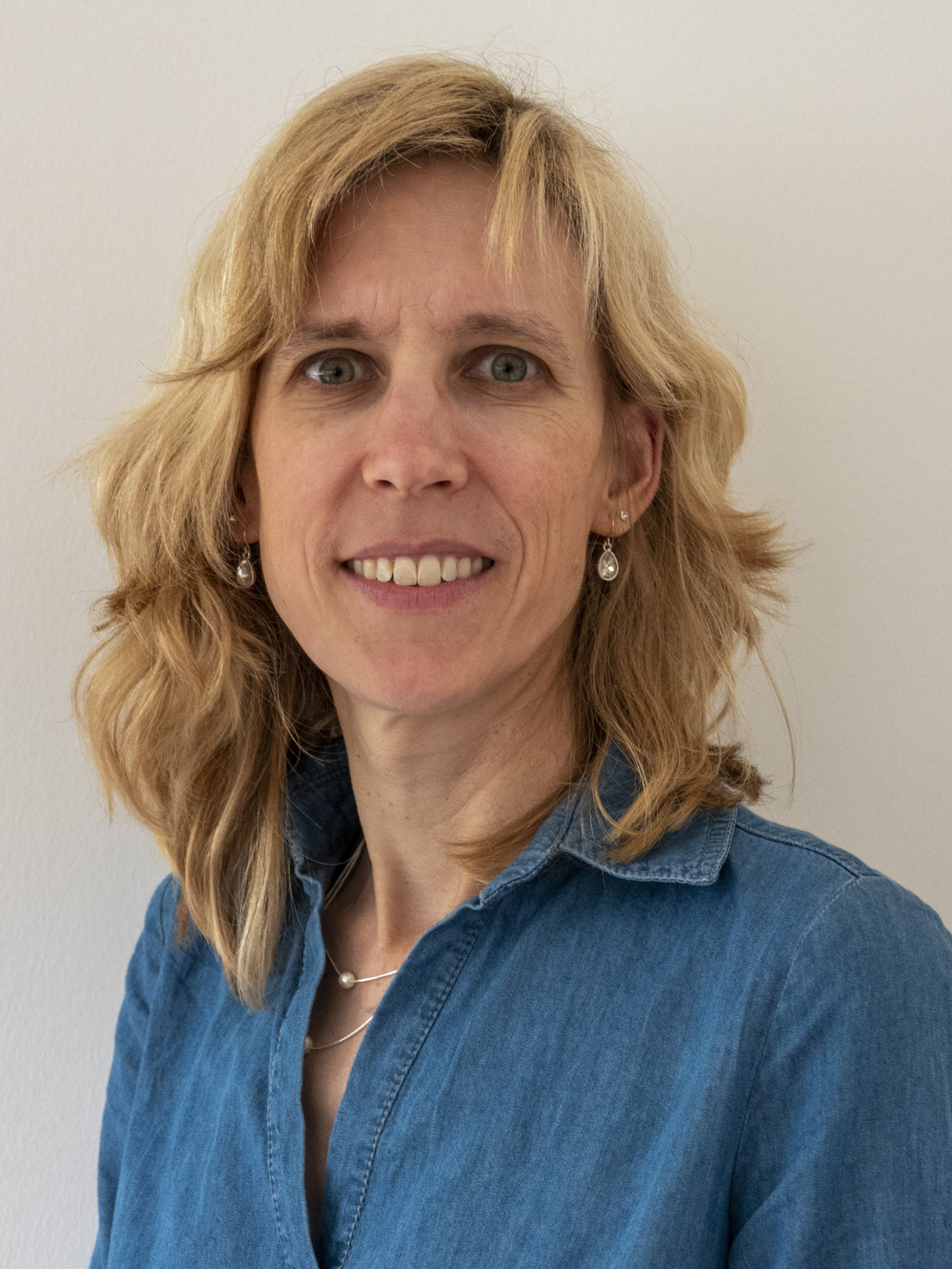
Cristina Müller holds the position of a Research Group Leader at the Center for Radiopharmaceutical Sciences (CRS) at the Paul Scherrer Institute and serves as adjunct Professor at ETH Zurich in Switzerland. Her research focuses on the design and investigation of novel radiopharmaceuticals for nuclear medicine applications. Cristina Müller pioneered the modification of radiopharmaceuticals with albumin-binding entities to extend the blood circulation time and enhance tumor accumulation. This novel concept was demonstrated with a folate radioconjugateand later applied to PSMA-targeting radioligands. Her primary interests include exploring and applying non-standard radionuclides, particularly terbium radioisotopes, for nuclear imaging and targeted radionuclide therapy. One of the most successful developments is 161Tb-SibuDAB, a novel PSMA radioligand that has recently advanced to a Phase I clinical study at the University Hospital in Basel, Switzerland.
-
Hyperthermia as radio- and chemosensitizer (TBC)
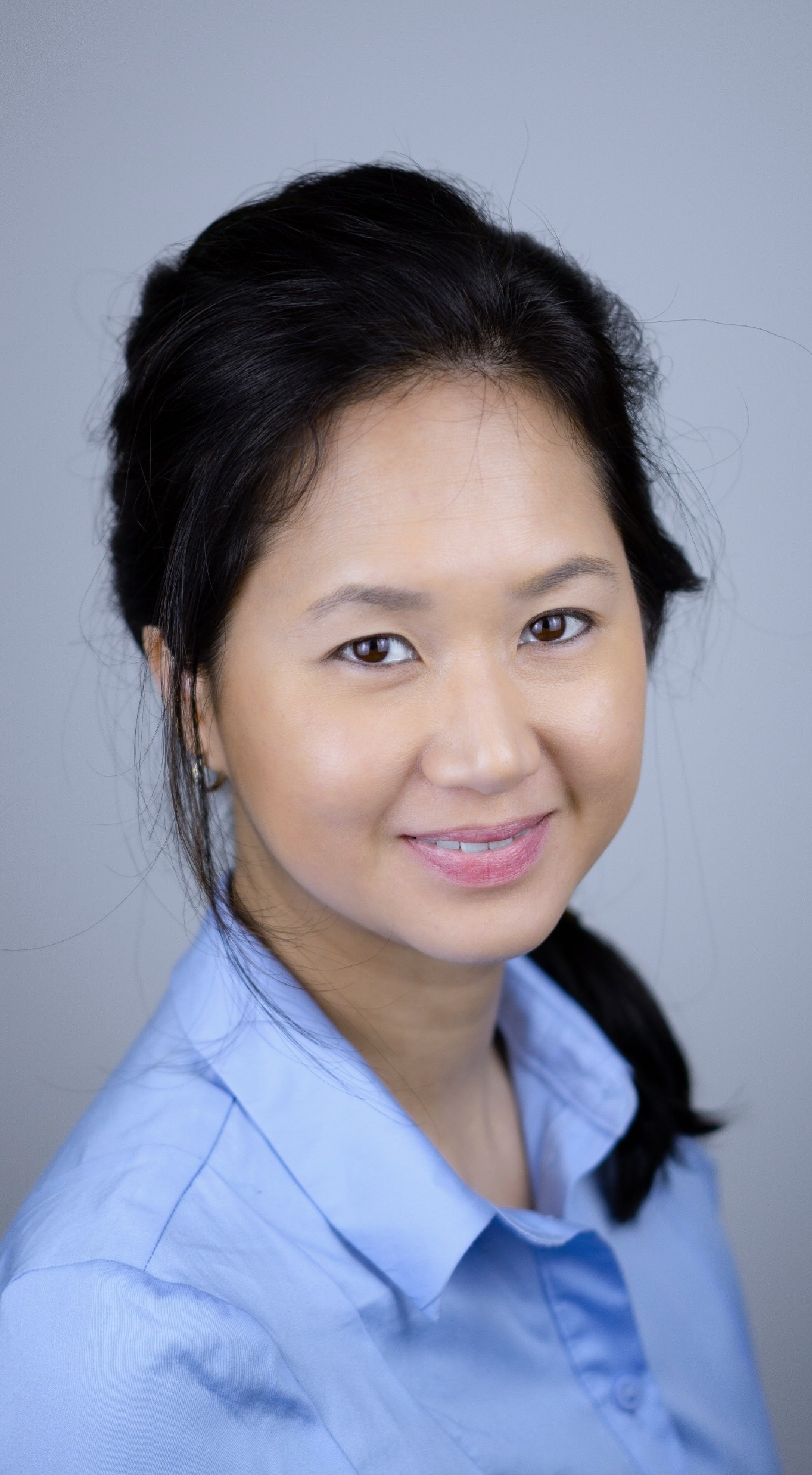
Dr. Arlene Leonie Oei is a biomedical scientist and currently assistant professor and group leader of radiobiology and hyperthermia research at the Department of Radiation Oncology, Amsterdam UMC. She earned her degrees in Biomedical Sciences from the Free University of Brussels (BSc) and Radboud University Nijmegen (MSc), and completed her PhD at the University of Amsterdam in 2017, focusing on enhancing radiotherapy and chemotherapy through hyperthermia. She continued her research as a postdoctoral fellow at Johns Hopkins University. Dr. Oei currently serves in several leadership roles, including vice president of the Society for Thermal Medicine (STM), board member of the European Society for Hyperthermic Oncology (ESHO), secretary of Thermotherapy Netherlands (TTNL), and board member of the Netherlands Society for Radiobiology (NVRB), where she also represents the society at the International Congress for Radiation Research (ICRR). In addition, she is a volunteer editor for Stichting Olijf, supporting women with gynecological cancers.
-
An AI-based system for rapid and efficient estimation of transcriptomic biomarkers for dosimetric purposes.
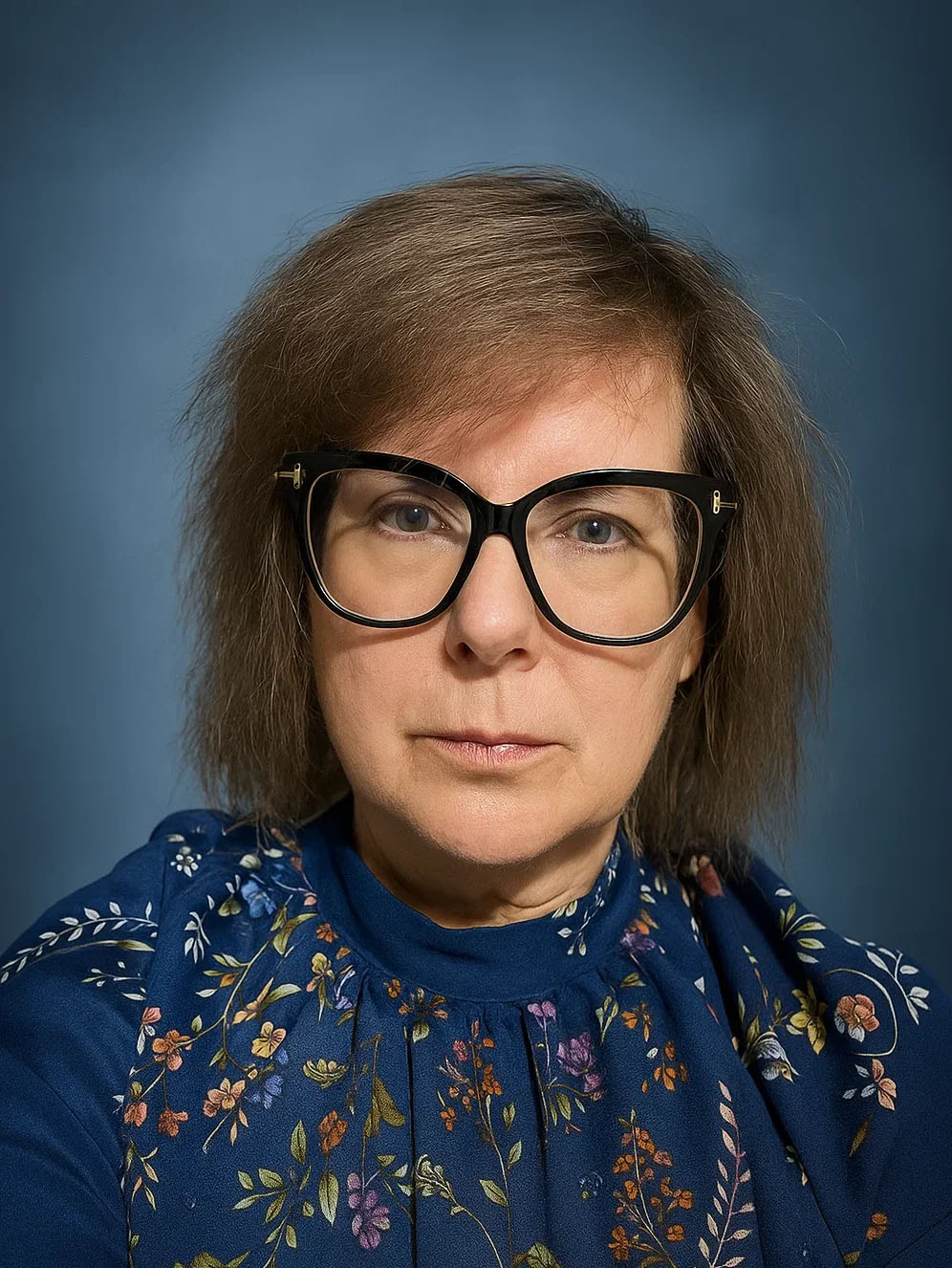
Joanna Polanska is a Professor of Computer Science and Biomedical Engineering at the Silesian University of Technology, Poland. She holds degrees in automation and robotics (PhD) and in biocybernetics and biomedical engineering (habilitation). She currently serves as the head of the Department of Data Science and Engineering and the director of the Upper Silesian Centre for Computational Science and Engineering (GeCONiI). Since 2021, she has been a member of the Committee on Medical Physics, Radiobiology and Imaging Diagnostics of the Polish Academy of Sciences.
Prof. Polanska is an expert in data science, with a particular focus on developing and applying innovative algorithms for data analysis in medicine and biology. She focuses on developing DS/ML/AI algorithms for analysing genetic, epigenetic, transcriptomic, and proteomic data and has been involved for many years in many projects in radiation research. Her work has focused on multiomic data integration in the search for biomarkers of radiation exposure, radiosensitivity and the effects of irradiation on immune function. In recent years, she has devoted much of her scientific efforts to researching the omic profile of extracellular vesicles and their role in carcinogenesis. Her expertise also extends to the application of mathematical modelling techniques in epidemiology. The present projects are chiefly oriented towards the development of algorithms for the automatic segmentation and interpretation of CT/MRI series. Additionally, she is engaged in the development of algorithms designed to facilitate comprehensive analysis of high-resolution stained tissue scans.
-
Dose-response during Targeted Radionuclide Therapy: How to combine it with immunotherapy
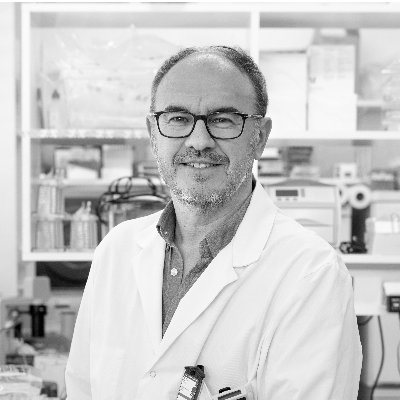
Dr Jean-Pierre Pouget obtained his PhD thesis in Radiobiology in 2000 from the Curie Institute in Paris and carried-out a post-doctoral fellowship in the Nuclear Medicine Research Laboratory at Barts and the London School of Medicine and Dentistry. He then moved to Paris to the French Radiation Protection and Nuclear Safety Agency (IRSN) for 4 years where he worked on radiation casualties. After moving to Montpellier, he joined INSERM (Institut national de la santé et de la recherche médicale), where he is currently research director and head of the "Radiobiology for targeted and personalised radiotherapy" team at the Institut de recherche en cancérologie de Montpellier (INSERM, France). His work focuses mainly on the radiobiology of radiopharmaceuticals used in cancer imaging and therapy (targeted radionuclide therapy, TRT). More specifically, he is studying the role of the targeted (radiative) and non-targeted (secondary and systemic/immune) effects of TRT. These effects involve intercellular communications mediated by small extracellular vesicles and activation of the immune system via cGAS-STING pathways. The ultimate goal of his multidisciplinary team is to optimize cancer TRT through a better understanding of the radiobiological aspects. He has published over 90 articles and book chapters on radiobiology and radionuclide therapy, as well as several patents. In addition to his research activities, Dr Pouget teaches at the University of Montpellier, INSTN Saclay, the University of Grenoble and the University of Marseille. He is a member of the EANM TMI&T Committee and head of the EANM Radiobiology Group. He is President of the French Radiobiology Society (SFBR). His team is accredited by the National Cancer League.
-
The radiotheranostics revolution in oncology
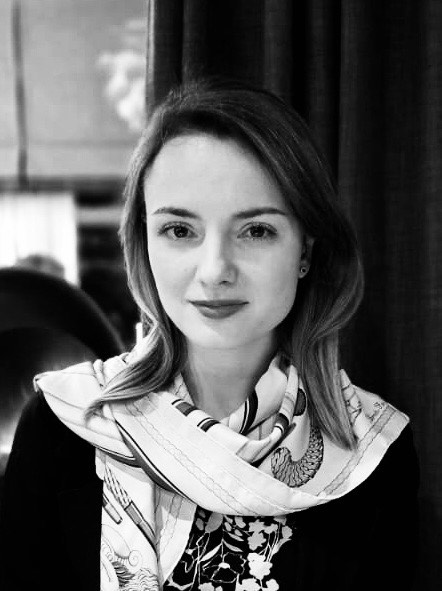
Irina Primac is Head of the Radiobiology Unit at the Nuclear Medical Applications Institute of the Belgian Nuclear Research Centre (SCK CEN). She has a multidisciplinary background in pharmaceutical sciences, cancer biology, and translational research in radiation oncology. She earned her Master’s degree in Pharmaceutical Sciences from the University of Padova (Italy) and completed a PhD in Biomedical and Pharmaceutical Sciences at the University of Liège (Belgium) in 2019. Her doctoral work, within a MSCA ITN, focused on tumour microenvironment (TME) interactions and targeted therapies in breast cancer. She undertook international research placements at the University of Bergen (Norway), the University of Oulu (Finland), and MedImmune–AstraZeneca (UK), contributing to the preclinical evaluation of TME- and hormone-targeted therapies. She pursued a postdoctoral fellowship at the Université Libre de Bruxelles and the Jules Bordet Institute (Belgium), focusing on epitranscriptomic targets in triple-negative breast cancer. Since 2023, Irina Primac has led research at SCK CEN on targeted radiopharmaceuticals for cancer treatment. Her interest lies in cancer radiobiology and the therapeutic evaluation of TME-targeted radionuclide therapies, including fibroblast activation protein, using radionuclides such as terbium-161 and lutetium-177.
-
Organoid models to study radiation effects in neurodevelopment and glioblastoma
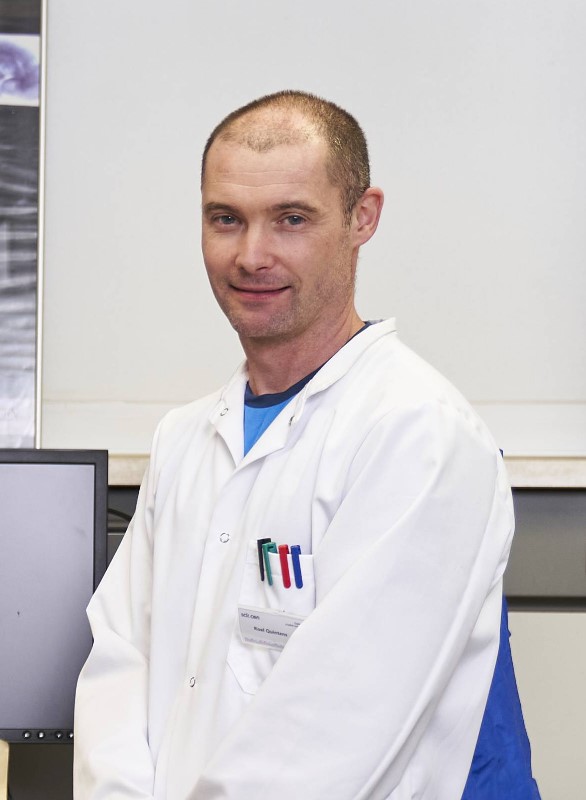
Roel Quintens, Pharm., PhD., is a senior scientist from the Radiobiology Unit at the Institute of Nuclear Medical Applications of the Belgian Nuclear Research Centre (SCK CEN), Belgium. Until recently, his main research topics were related to identification of transcriptional biomarkers of radiation exposure, and mechanistic understanding of the effects of radiation on neurodevelopment. His current research focuses on cellular plasticity and treatment resistance in glioblastoma and the development of novel in vitro glioblastoma models to predict patient's response to therapy, including targeted radionuclide therapy.
-
A holistic perspective on adaptive protontherapy
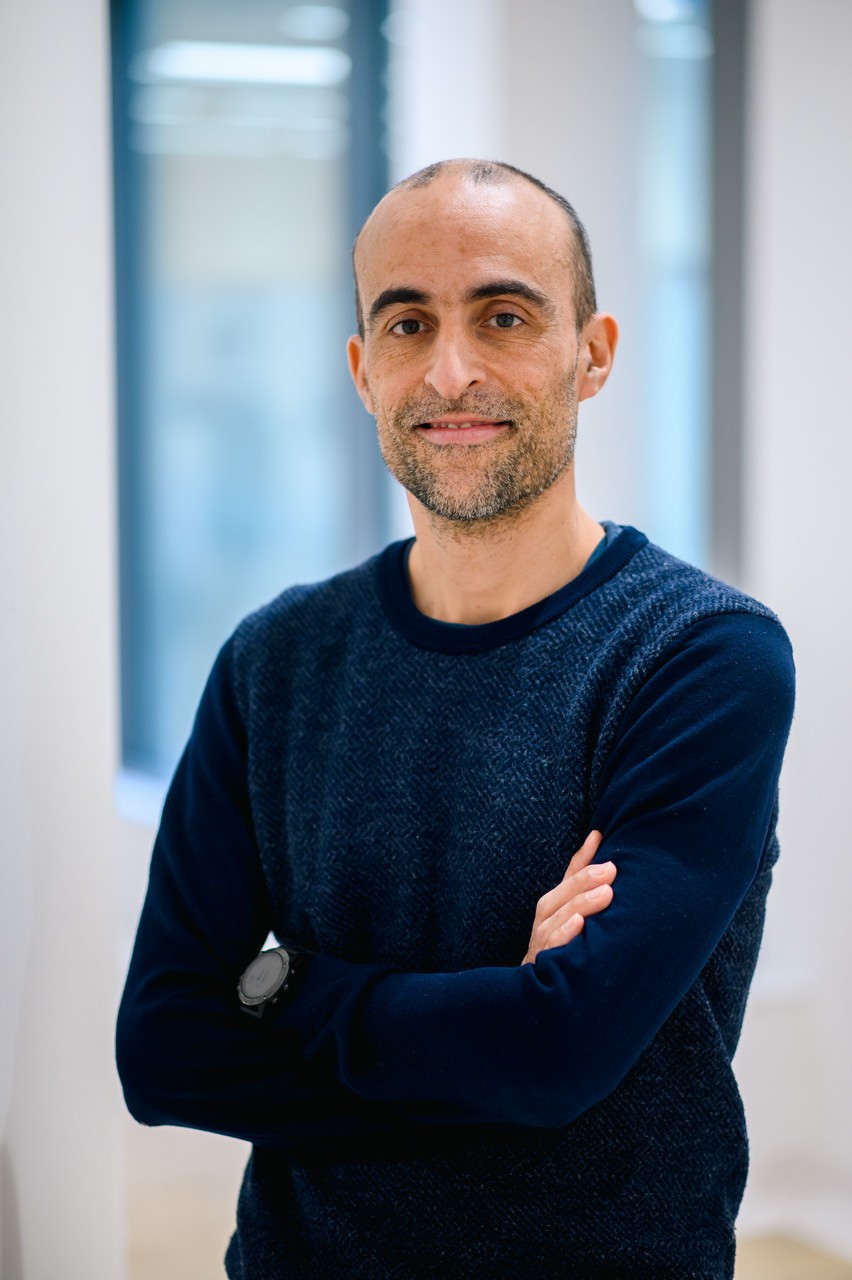
Prof. Sterpin is a Professor in medical physics, appointed by both KU Leuven and UCLouvain. His main task is to coordinate the research efforts related to the inter university proton therapy center in Leuven PARTICLE. his main research interests are treatment modeling with Monte Carlo simulations, robust treatment planning, automatic planning, adaptive radiotherapy, in vivo proton range verification and reference dosimetry. More recently, he has been involved in projects related to arc proton therapy and flash radiotherapy. Before being appointed as a Professor, he completed his PhD thesis in UCLouvain and completed a 2 years postdoc in the University of Wisconsin.
-
How much do 68Ga, 177Lu- and 131I-based radiopharmaceuticals contribute to the global radiation exposure of nuclear medicine staff?
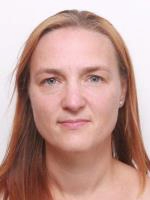
Dr. Lara Struelens is Head of the Research in Dosimetric Applications unit at the Belgian Nuclear Research Centre (SCK CEN) in Mol, where she leads a multidisciplinary team dedicated to advancing radiation dosimetry across medical and occupational domains. She earned her PhD in Applied Sciences from the Free University of Brussels in 2005, with a focus on experimental dosimetry and Monte Carlo simulations for dose optimization in medical imaging. Her current research interests encompass radiation dosimetry in nuclear medicine and radiotherapy, computational modeling for dose assessment, and radiation protection for both patients and professionals.
Dr. Struelens has been an active member of the European Radiation Dosimetry Group (EURADOS) for two decades and currently chairs the working group on ‘Dosimetry in Nuclear Medicine’. She also serves on the scientific committee of EURAMED, the European Alliance for Medical Radiation Protection Research, and is a member of the EFOMP Special Interest Group on ‘Radionuclide Internal Dosimetry’. Throughout her career, she has (co-)authored over 100 scientific publications and has coordinated or contributed to numerous European research initiatives in the field of medical radiation protection and dosimetry.
-
Exploiting the oxygen effect metabolically to radiosensitizetumors exemplified with mitochondria-targeted antioxidants.
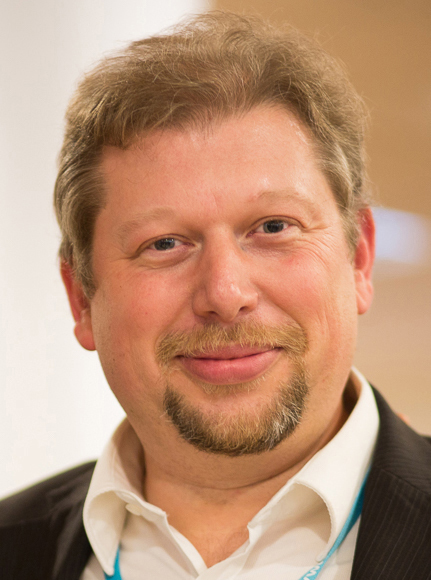
Pierre Sonveaux is Professor of Pharmacology and Research Director of the F.R.S.-FNRS at the catholic university of Louvain in Brussels, Belgium. He is also a WELBIO Investigator. His team is active in fundamental and translational research targeting cancer cell metabolism. Notable discoveries include a metabolic cooperation between cancer cells and its inhibition, new strategies for metastasis prevention and new interventions for radiosensitization.
-
Theranostic FAPIs with a druglike architecture: from design to preclinical evaluation in oncology models
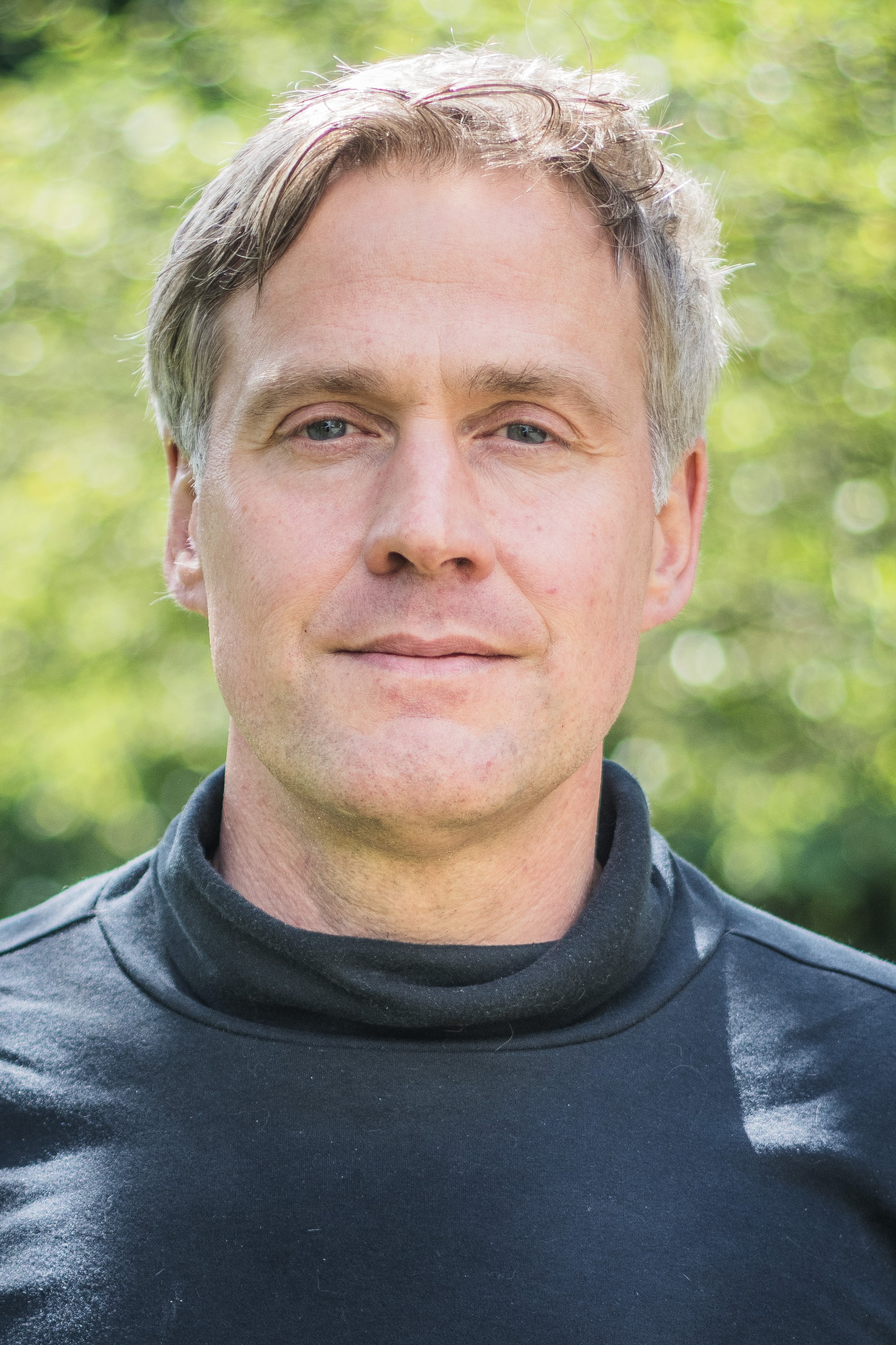
Pieter Van der Veken holds a PhD in Medicinal Chemistry and did post-doctoral research in the Netherlands (Prof R. Liskamp, Prof. A. Heck) and in Antwerp (Prof. A. Haemers, Prof. K. Augustyns). He was appointed as a research professor at University of Antwerp in 2010 and as a full professor in 2020. His work deals with the discovery of bioactive molecules that have applications in oncology, metabolic and infectious disease. Important emphasis is put on the discovery of ligands of serine and cysteine proteases. Within the protease domain, his group has longstanding expertise on proline-selective proteases like fibroblast activation protein (FAP). Next to novel small molecule inhibitors of these proteases, inhibitor-derived ligands are produced, including probes for radiotheranostics, activity-based protein profiling and drug delivery. For the radiotheranostics work -the topic of the lecture- he intensively collaborates with UAntwerp colleagues Ingrid De Meester (Medical Biochemistry) and Filipe Elvas (Radiopharmacy/Molecular Imaging).
-
ESA Explore2040 Strategy and Radiation in the context of Exploration Science
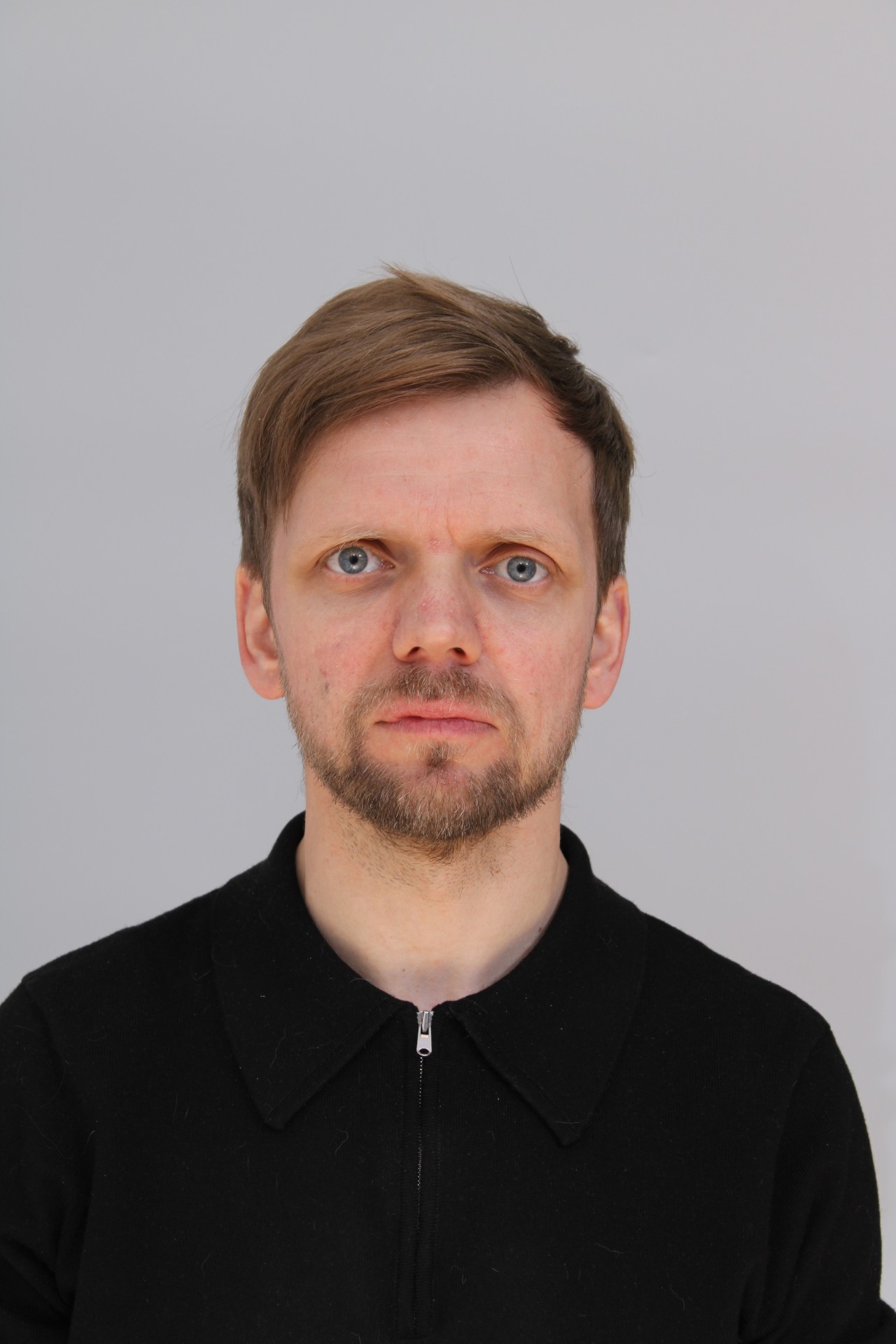
Dr Piers Jiggens is the Science Lead for Radiation in the Directorate of Human and Robotic Exploration at the European Space Agency (ESA), as position he has held since April 2025. In this role he is tasked with establishing the radiation science roadmap for future exploration including modelling of the environment and its impact as well as instrumentation and use of ground-based facilities. Prior to this he worked at ESA in the Space Environment and Effects section within the Directorate of Technology, Engineering and Quality focussing on instrument and modelling R&D for Space Weather and Science missions. He gained his doctorate at the University of Southampton in 2010 working on specification models of the Solar Energetic Particle environment. He is the Project Scientist for the European Radiation Sensor Array (ERSA) which is one of the payloads planned to fly on the first elements of the lunar Gateway studying the radiation environment in cis-lunar space. He is also the Programme Chair for the European Space Weather Week conference.
-
Impact of medical radionuclides on people and environment
Prof. Dr. Jordi Vives i Batlle holds a BSc and MSc in Physics from the Autonomous University of Barcelona (1988) and a PhD in marine radioecology from University College Dublin (1993). He became a full professor (Chair) of Environmental and Radiation Physics in 2009 at Westlakes/University of Central Lancashire, UK, and is recognised as a Chartered Radiation Professional by the UK SRP (affiliated to IRPA) since 2008. With 38 years of experience in radioecology, radiation protection, and impact assessment, he has worked globally in Spain, Ireland, the U.S., UK, and Belgium. Since 2010, he has been a senior researcher at SCK CEN (Belgium), focusing on the fate, transport, and biological uptake of radionuclides in the environment, and conducting radiological impact assessments to wildlife for industry and regulators. He has published over 100 research articles (H-index: 29), led numerous EU projects, serves actively as an international expert on mission for the IAEA projects (EMRAS, MODARIA and MEREIA) and is a member of ICRP. Jordi Vives is currently a member of the Belgian Delegation of UNSCEAR. The focus of these activities is to study the exposures and effects of ionising radiation on wildlife. Jordi Vives’ current research focuses on modelling the impact of radiation/chemical pollutant mixtures on non-human biota, and the impact of medical discharges of radionuclides on people and the environment.
-
Biomarkers of Radiation Exposure: Extracellular Vesicles
She has been working in the field of stem cell therapy for the medical management of accidental radiation exposure since 2004, initiating preclinical studies to assess the therapeutic potential of stem cell therapy for overexposed patients. Her recent research focuses on identifying biomarkers for radiation exposure and complications related to radiotherapy, aiming to develop new clinical applications for radiation accidents. As an expert in emergency preparedness and response, she coordinates research programs in radiation exposure. Her main activities include working as a expert advisor for IAEA as head of the Capacity Building Center and Advisory Mission on Medical Aspects of Radiation Emergencies for overexposed individuals (Peru, brasil, Argentina …). Radia is also an expert Advisor for WHO and Head of Collaborative Center and a member of REMPAN in the CONVEX(3)-2021 exercise at Baraka Nuclear Power Plant, Abu Dhabi, UAE and Member of REMPAN in the next CONVEX (4)-2025, exercise in ROUMANIA. Additionally she is the Co-coordinator of PIANOFORTE, the Leading the Partnership for European Research in Radiation Protection and Detection of Ionizing Radiation (PIANOFORTE). Her research expertise spans stem cell therapy, radiation exposure management, and developing translational approaches for medical interventions in radiation emergencies.
-
Sex and Age as Modifiers of Radiation-Induced (Osteo)Immunological Responses
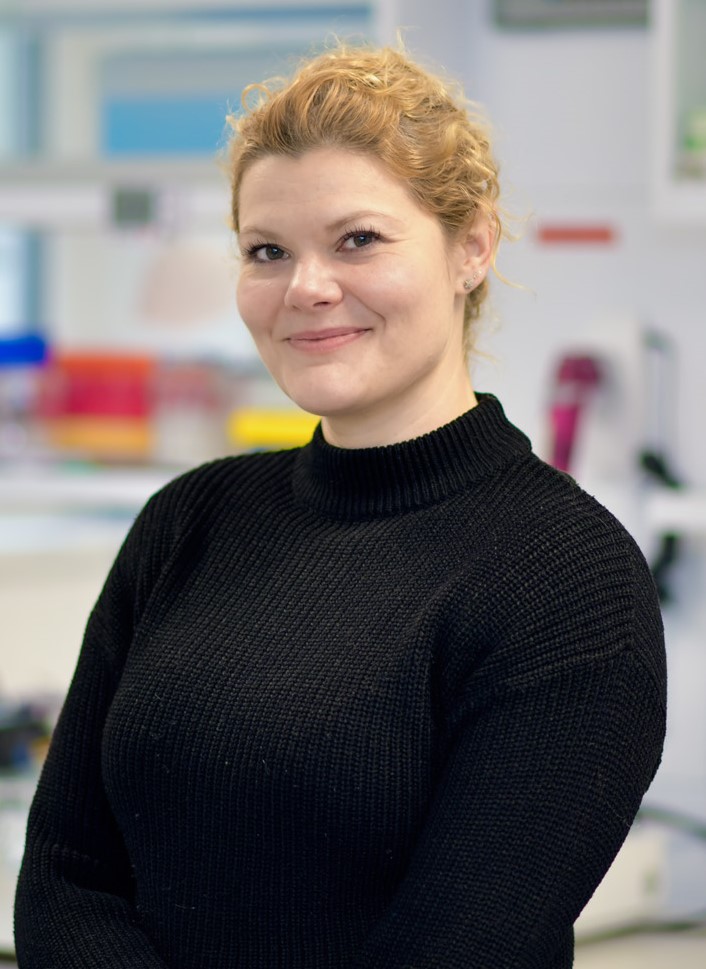
Dr. Lisa Deloch is junior research group leader of the Radiation-Osteoimmunology Group at Translational Radiobiology at the Department of Radiation Oncology, Universitätsklinikum Erlangen. She is investigating the anti-inflammatory, immunomodulating, and osteoimmunological effects that are mediated by low-dose radiotherapy with X-rays. Special focus within this work is set on bone cells as well as macrophages, T cells and fibroblast-like synoviocytes. Furthermore, her group is also looking into the age-/gender- and inflammatory background mediated differences in response to ionizing radiation in a medical and radiation protection setting. Here, next to X-rays, her group is also examining the effects of radon and mixed beam irradiation on the immune system. She is Deputy Speaker of the jDeGBS (Young German Society for Biological Radiation Research) and actively involved within the German Society for Radiation Oncology (DEGRO, Board member of DEGRO Workgroup Benign Diseases and Women in Radiation Oncology; focus group co-spokesperson “Normal Tissue” of the DEGRO Workgroup Experimental Radiation Oncology).
-
Microfluidic systems at the frontier of radiopharmaceutical innovation
Kevin Tabury holds a PhD in biomedical engineering and serves as the program pipeline manager at the Nuclear Medical Applications Institute of SCK CEN, where he also leads the Innovation and Translational Development Unit. Kevin Tabury focuses on translating cutting-edge research into innovative clinical applications, overseeing development pipelines from discovery through preclinical and translational theranostic studies. He provides strategic oversight in matrix-based project management and cross-functional leadership to drive novel radiopharmaceuticals toward clinical implementation
- Organizing Committee
Siamak Haghdoost
Katalin Lumniczky
Peter Sminia
Geroge Iliakis
Sarah Baatout
Anthony Waked
Silvana Miranda
Georgia Terzoudi
Anna Lankoff
Radia Tamarat
Joana Lourenço
Aiden Meade
Oleg Belyakov
Michael Abend
Angelica Facoetti
Back to the ERRS 2025 homepage